I went on a bike/stealth/hammock camping trip two weeks ago.
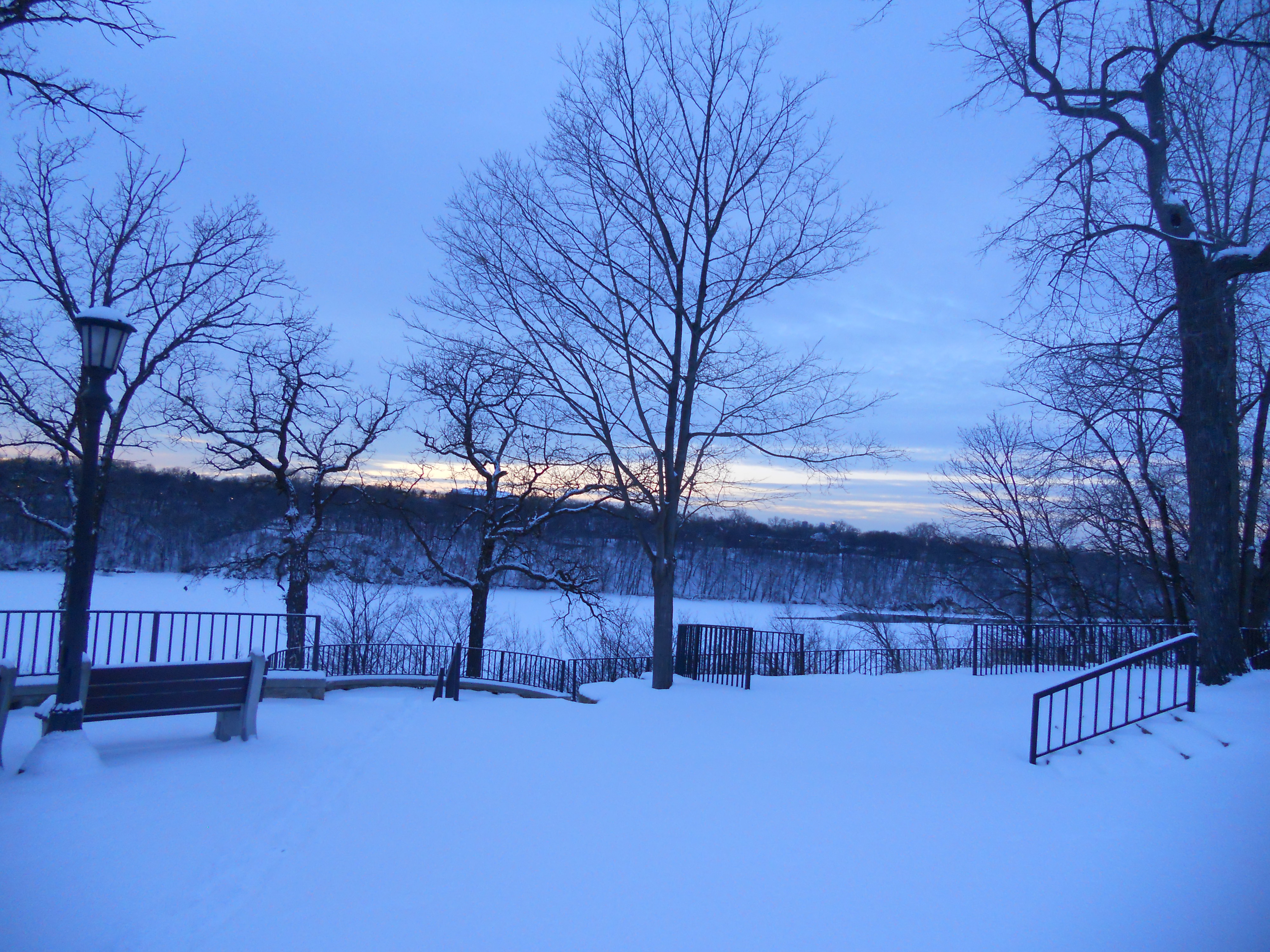
I really, really enjoyed it. In fact, I was so happy that I later found myself trying to figure out why I’d had such a good time. It wasn’t just the fantastic sunset and the nature in bloom and the coziness of reading in my hammock and the unanticipated geology of the area. I experienced true enjoyment because of the following:
Partly it was the satisfaction of finally getting good at this shit. The night had a low of 35 degF but I was comfy and secure with my reliable gear and my readiness for anything. Partly it was the freedom I felt when selecting my spot, enjoying the unexpected beauty of the location and exploring new areas by bike in the morning on my way home. Partly it was the satisfaction I felt when putting my gear together, using my head to meet a challenge instead of using money, gasoline and excess stuff.
But the biggest part of my enjoyment of this little trip came from acting in accordance with some great ideas from a book I had just read: “How I Found Freedom in an Unfree World,” by Harry Browne.
The book is about finding freedom in your life in every way you can. It is sprinkled with anti-tax ideology but the substance of it is much deeper. It reinforced some of my views on living according to a personal morality. For example, when it comes to stealth camping, am I alarming people nearby or disturbing wildlife? I would argue the opposite and point to the gasoline required to get to a state park, the compacted campsites and greasy, trash-strewn fire rings.
Is it wrong to camp somewhere where the government does not sanction it? I would argue it is wrong to ban such an activity when it is the effects of overly impactful activities that are actually the target of the ban. I am willing to ignore the rules in order to do it a better way, with the willingness to accept the consequences.
When I consider what makes me feel like I’m truly exploring, I’d say swiftly cruising in by bike, setting up my hammock at dusk, and being gone before the sun rises gives me a much freer feeling than hiking the prescribed, eroded loops of a state park and dodging large, poorly behaved off-leash dogs and picking up other people’s trash.
And when I consider future-proofing the things I love, I can think of no better protection against rate hikes, under-investment in natural areas, government shutdowns, and general incompetence and mismanagement than to be able to bike to my own spot and camp my own way, without bothering with permits, stickers, and other intrusions (I was astonished when I learned I was required to provide my social security number – to the gas station vendor – to get a fishing license in Minnesota).
Another, unexpected concept in the book is that you don’t need to change others in order to be free. I don’t need to be concerned with state park campers who destroy nearby trees for firewood, allow their dogs to run amok, or leave their trash behind. I won’t be around to even see them!
I’m going to revisit the book, perhaps a year or two from now. In the meantime, I’m planning more bikepacking trips and identifying more boxes and traps to free myself from.

 pseudoisaac