Prepuce restoration

I am now a tugger. What this means is that I am using manual methods to tug and stretch the skin of my penis to induce mitosis in the skin and regrow skin, capillaries, and surface area to regain a semblance of an intact penis. I also bought a kit (pictured) from TLC Tugger for when I have more skin to work with.

I want the feeling of wholeness that I never had before. I don’t want to be reminded multiple times a day by the large, conspicuous scar around my penis and the keratinization of the glans and loss of glide and ensheathment that all mammals, male and female, are born with. Also in winter it will be nice to have cozy protection from the cold.

Non-therapeutic genital cutting is in the news thanks to a Michigan doctor who allegedly cut girls at her clinic. Some of the girls were Minnesotans.

I don’t believe the doctor, Jumala Nagarwala, is evil, demonic, or a child abuser, as so many commenters have said. She was just doing what is normal in her community. She was not trying to destroy the sexuality of the girls she cut. She does not deserve life in prison, although that is a possibility for her under the federal law that protects girls (and only girls) from non-therapeutic genital cutting.

She herself was almost certainly cut and is probably not aware of any ill effects. She may consider it part of her journey to womanhood. She may have been proud of it before the wrath and moral righteousness of an entire nation came down on her head in recent weeks.

Some of her defenders have pointed out that making one longitudinal cut in the girls’ prepuce might expose the clitoris and actually make sexual stimulation easier. But this is the absurdity of arguing about the risks and harms of forced genital cutting. In bioethics is it axiomatic that you cannot override someone’s rights by applying a risk-benefit analysis. Just stop cutting babies, people. Let them decide. (Spoiler: they will choose to remain intact.)

The mohel in new york city who recently transmitted herpes to yet another infant during oral suction circumcision (metzitzah b’peh) was doing the same thing. He is not evil, but his community’s insistence on penis cutting and sucking is causing serious harm. And no one is willing to stop it because of deep moral confusion regarding circumcision and the unquestioning deference to religious nonsense of all kinds that we observe in the USA.

My parents, too, were not aiming to destroy nerves, muscles, and glands when they opted to have me cut. They had no idea of any of that. I doubt the surgery was even presented to them as a choice. Rather, they did what was normal in US culture in the mid-1980s.

The doctor who cut me also was not evil. She was following the customs of an extremely conservative profession. I doubt “number needed to treat” was even a common metric to judge procedures by back then. Doctors who performed routine episiotomies and routine tonsillectomies and other discredited surgeries are also not evil.

Even parents who opt to cut their baby boys now are not evil. They just haven’t been reached. Those who do the research appropriate to a permanent, irreversible surgery quickly become appalled and choose not to cut their boys.

And I really have very little to complain about. I did not have to go in for corrective surgeries after I was cut, as many boys do. I did not suffer such horrors as a penile amputation, which I know occurs quite often thanks to my Google News Alert.

I would not be tugging without the supportive and information-rich online communities on Reddit (Foreskin Restoration), Intact America, and the gear at https://tlctugger.com. All these people are doing something practical and proactive in addition to their online activism. They and I are not going to sit and wait for Foregen to bring about true regrown prepuce tissue (although I think that will be wonderful for boys who are currently being cut).

I am optimistic about my own efforts at restoration. I am forgiving of the people involved in my own cutting. And I am encouraged by the steadily declining rates of non-therapeutic genital cutting of all kinds.

Stay tuned for regular, high-resolution images of my progress!

Bike lanes

On April 29th a Star Tribune columnist complained about proposed bike lanes on 26th and 28th streets in Minneapolis. The very next day, 32 year-old Jason Ritenour was killed in a high-speed wreck on Blaisdell and 26th street.

I don’t expect the columnist to change his mind in light of the most recent carnage. I seem to recall him complaining about the Park Avenue and Portland Avenue bike lanes as well, but I doubt he or the residents want to go back to how those streets were: four lanes of chaotic 40 + mph traffic, essentially a freeway running through residential neighborhoods.

People will always complain when their free parking is taken away. Why give them a megaphone? I wonder how many lives have been saved and how many injuries and crashes averted thanks to the lower speeds on Portland and Park. Those gains are invisible. The loss of one’s free parking entitlement on the other hand is very tangible.

I won’t get upset. I have recognized that figures in the media benefit by dividing people into acrimonious opposing sides. When residents and the city get together on safety, which is something we all agree on, you get bike lanes and moderate speeds. And yes, some people might have to walk a half a block from their parking spot.

How I found freedom in an unfree world

I went on a bike/stealth/hammock camping trip two weeks ago.

I really, really enjoyed it. In fact, I was so happy that I later found myself trying to figure out why I’d had such a good time. It wasn’t just the fantastic sunset and the nature in bloom and the coziness of reading in my hammock and the unanticipated geology of the area. I experienced true enjoyment because of the following:

Partly it was the satisfaction of finally getting good at this shit. The night had a low of 35 degF but I was comfy and secure with my reliable gear and my readiness for anything. Partly it was the freedom I felt when selecting my spot, enjoying the unexpected beauty of the location and exploring new areas by bike in the morning on my way home. Partly it was the satisfaction I felt when putting my gear together, using my head to meet a challenge instead of using money, gasoline and excess stuff.

But the biggest part of my enjoyment of this little trip came from acting in accordance with some great ideas from a book I had just read: “How I Found Freedom in an Unfree World,” by Harry Browne.

The book is about finding freedom in your life in every way you can. It is sprinkled with anti-tax ideology but the substance of it is much deeper. It reinforced some of my views on living according to a personal morality. For example, when it comes to stealth camping, am I alarming people nearby or disturbing wildlife? I would argue the opposite and point to the gasoline required to get to a state park, the compacted campsites and greasy, trash-strewn fire rings.

Is it wrong to camp somewhere where the government does not sanction it? I would argue it is wrong to ban such an activity when it is the effects of overly impactful activities that are actually the target of the ban. I am willing to ignore the rules in order to do it a better way, with the willingness to accept the consequences.

When I consider what makes me feel like I’m truly exploring, I’d say swiftly cruising in by bike, setting up my hammock at dusk, and being gone before the sun rises gives me a much freer feeling than hiking the prescribed, eroded loops of a state park and dodging large, poorly behaved off-leash dogs and picking up other people’s trash.

And when I consider future-proofing the things I love, I can think of no better protection against rate hikes, under-investment in natural areas, government shutdowns, and general incompetence and mismanagement than to be able to bike to my own spot and camp my own way, without bothering with permits, stickers, and other intrusions (I was astonished when I learned I was required to provide my social security number – to the gas station vendor – to get a fishing license in Minnesota).

Another, unexpected concept in the book is that you don’t need to change others in order to be free. I don’t need to be concerned with state park campers who destroy nearby trees for firewood, allow their dogs to run amok, or leave their trash behind. I won’t be around to even see them!

I’m going to revisit the book, perhaps a year or two from now. In the meantime, I’m planning more bikepacking trips and identifying more boxes and traps to free myself from.

Lumumba

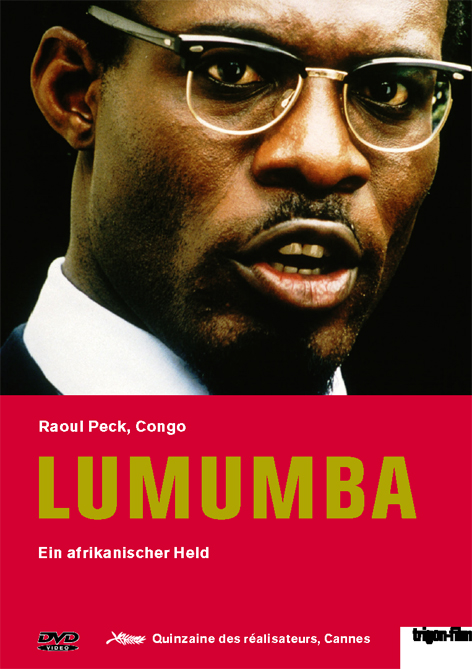
I watched Lumumba (2000 film) recently. I had been searching for this film and then one day it popped up in my streaming service randomly.

I have been fascinated with the Congo ever since reading about the ebola virus during the outbreak of 1995, when the country was called Zaire. This coincided with the films Congo and Outbreak of the same year, which made a vivid impression on my nine-year old brain.

The movie portrays an intense period of history in the Democratic Republic of Congo just after independence from Belgium when a former postal worker rose to become the first democratically elected prime minister of Congo. He was soon killed by factious political rivals with the help of the Belgians. His buried body was then dug up, moved, dismembered and burned. As the narrator (the dead Lumumba) says, he was a threat to them even in death.

Joseph-Désiré Mobutu is a looming presence in the film and the final scene foreshadows the horrors he would later wreak as dictator. Sadly, now another strongman (Kabila the junior) is consolidating power and suppressing political opposition.

It’s very difficult to watch the violence in the film because it is not just a snapshot of the past. Gruesome violence and unrest continue in DRC, most recently in the Kasai region. Now, our closest relatives the chimps and gorillas are being butchered too, due to conflicts they didn’t start.

I would recommend the movie. For anyone else with an interest in the Congo, soak up any of the following:

  • Dancing in the Glory of Monsters by Stearns (highly recommended)

  • The Poisonwood Bible by Kingsolver

  • The Hot Zone by Preston

  • Blood River by Butcher

  • Heart of Darkness by Conrad (highly recommended)

  • RFI’s great coverage at http://www.rfi.fr/afrique/tag/rdc/

I still have not read King Leopold’s Ghost but that comes recommended. There are numerous other chronicles and analyses of the country out there, in English and French.

I wish I could visit someday. I want to follow the river and see the gorillas and not just stay in relatively peaceful Kinshasa. Maybe 25 years from now I could try…

UPDATE 7/4/17: I cannot believe I forgot this one: check out the documentary “When We Were Kings” about the Rumble in the Jungle.

Decluttering

I got rid of my cross-country skis, boots and poles. It was not easy to do, but it was something I had thought of for a long time before finally acting. Although I enjoy decluttering, I would never have made this particular dump without the boost that came from reading “The Life-Changing Magic of Tidying Up” by Marie Kondo on my Kindle (another device that has helped me shed unwanted stuff).

In favor of throwing out the ski gear was:

  • The little use I had gotten out of them each year due to poor snow and just not feeling like skiing

  • The ever-increasing price of ski passes, and the multiple organizations that you must buy passes from

  • The way I had dragged them from apartment to apartment during moves and how they were the among most unwieldy items I owned

In favor of keeping the ski gear was:

  • Fond memories of skiing in Theodore Wirth, Hyland, the north shore of Lake Superior, Fort Snelling State Park, Hiawatha, and Elm Creek Park Reserve

  • The idea that I was giving up on something I had identified with and aspired to

That last one was the most powerful. I thought skate skiing represented me overcoming my antipathy for the cold and dark winters where other people stay indoors. I thought that me gliding along snowy trails under moonlight was the very image of joy and élan in the face of the dreaded winter. I thought it was something I should enjoy, master, and crave.

The book helped me identify that this aspiration led to a misguided attachment based on something I thought I should be.

So I sold the things! In the possession of the enthusiastic Craigslist buyer (who turned out to be an acquaintance), the skis, boots and poles are no longer junk. I no longer have a burden in my closet and a sense that I am not doing something I should be doing. I received a wad of cash and the buyer now has a fun activity to do with his avid skier girlfriend. And I have plenty of other winter activities to engage me.

Exercise in comprehension

As an exercise in comprehension with Trump supporters, I jogged my mind for one thing where I might agree with them. One tiny thing.

It actually wasn’t hard: the first thing that came to mind is environmental protectionism. I don’t know what that term is. I’ve never even googled it and it probably means something unrelated. But I learned two years ago that no lakes in the southwest corner of Minnesota are fishable or swimmable. 40% of the state’s lakes and streams are impaired, according to the Minnesota Pollution Control Agency.

There are many reasons detailed in the MPCA’s reports, but farming seems to be central. Farming: our beloved heritage that can do no wrong.

American farmers export almost half their soybean and wheat harvest, mostly to China. Fifteen percent of the US corn crop is exported. Increasingly, meat and dairy is exported, too.

So for an environmental take on the protectionist movement, you could argue that federal and state policy should impose costs on exporting agricultural products that cause such widespread environmental damage. Why allow giant agribusinesses to enrich themselves while we pay dearly to clean up our polluted lakes and streams?

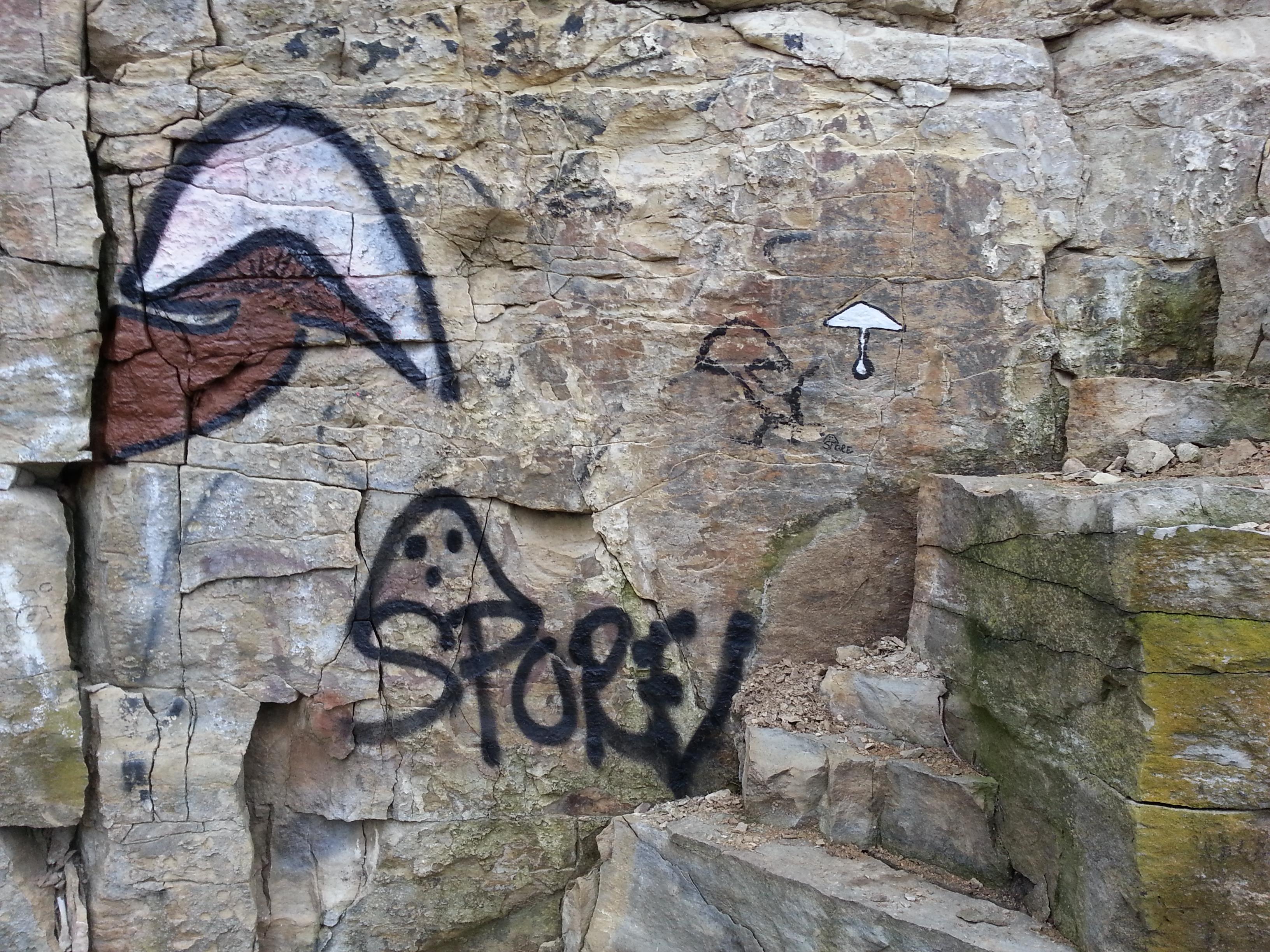
Included: I don’t like when people spoil natural areas with their “art” but I really can’t object to fungus-inspired graffiti.

Birding at Frontenac State Park

I visited Frontenac State Park again. I will go again soon because I want to see the landscape undergo more dramatic changes as we accelerate into the warm season.

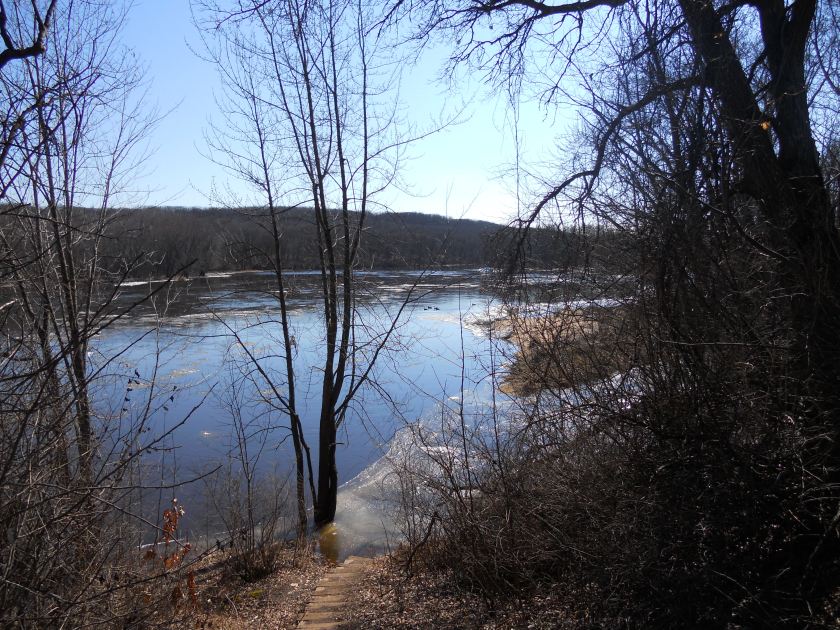
What I saw was a limestone valley on the cusp of spring, still very cool, with the night dipping a little below freezing and with patches of ice still to break up. The following day approached 45 degF though. I made a point this time of burning nothing and I left only a lot of muddy footprints.

The bald eagles were very actively fishing in Lake Pepin and scavenging along the shore. Some very vocal sandhill cranes flew through. Mergansers and northern pintails were loafing on the small lake in the prairie-like area of the park. I flushed a pheasant and an American woodcock.

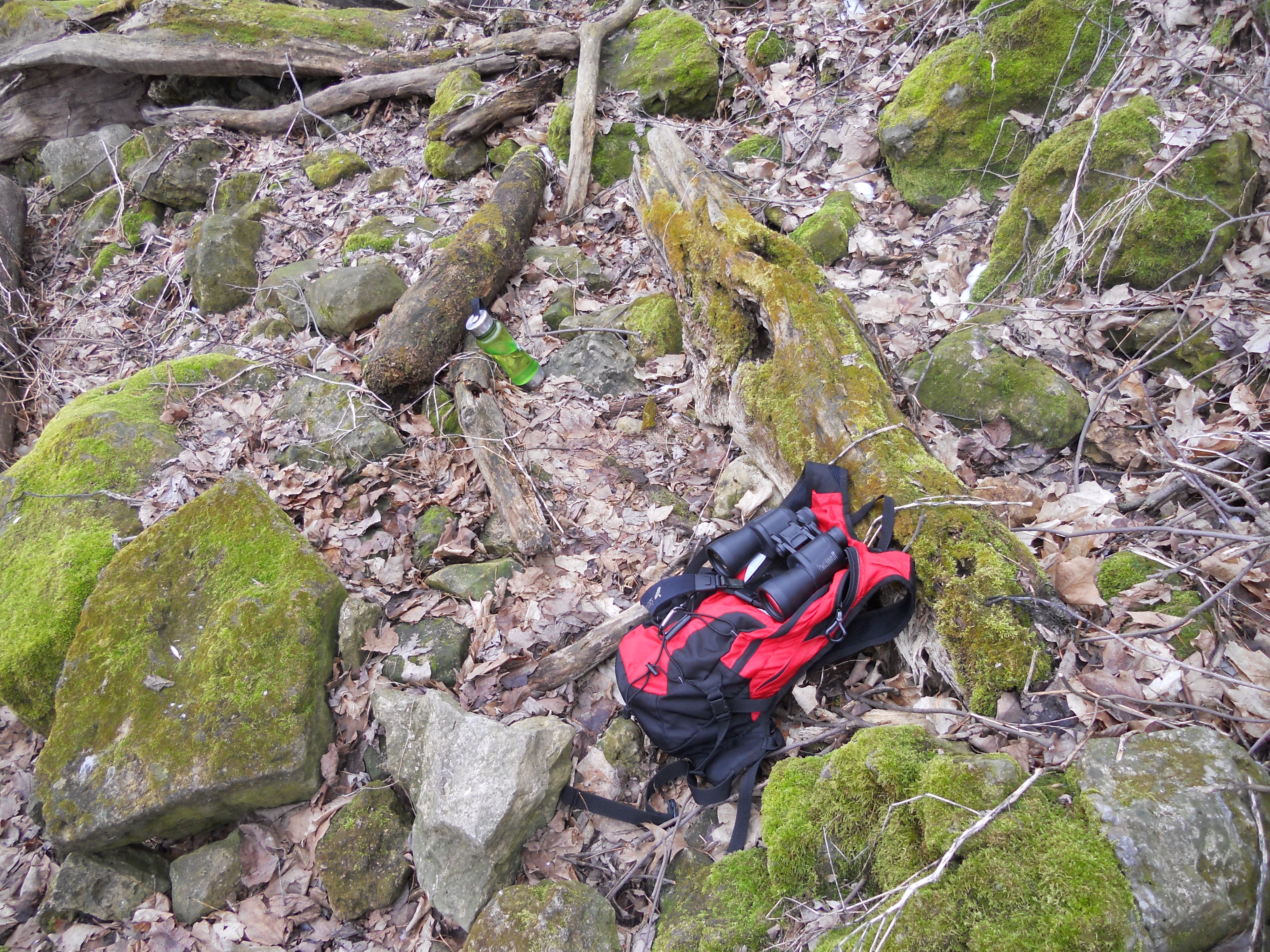
None of the spring ephemerals have sprouted yet. The wood-warblers and other tiny spring migrants have not yet arrived. Nonetheless there is color and vibrancy to enjoy in the mosses and lichens and in the constantly weathering limestone rock.

I look forward to returning and picnicking along the River Bluff Trail and hearing chirping all around me. When you sit still to eat your nuts and canned salmon, birds tend to forget about you and go about their lives while you enjoy the show.

Total cost of the trip: $42.

MN River valley visit

I returned to the Minnesota River trail on the south side and to the east of the Cedar Avenue/Highway 77 bridge. It was cold (around 15 degF) and gray and cloudy, but I enjoyed it. I found the landscape was very accessible and clean because of the lack of snow, the hard frozen ground, and the lightly imprinted trails that off-road cyclists had made throughout the area.

I quickly came across an area of aspen trees where the leaf cover had made a soft place for me to sit and drink water and eat my nuts.

I continued hiking with my binoculars and saw eagles, hawks, geese and some really dirty swans. The wildlife activity was still somewhat muted. In the next two or three weeks though, things will explode as the snow, which fell hard later that night, melts and the temperatures shoot up.

The beavers had felled some very large trees and made a large home for themselves. Around it were smaller muskrat dens.

Funny: as the vegetation grows and the ground gets soft these places will get less and less accessible. That’s why winter is a great time to get in there and enjoy the sights.

Biking Sunday morning

I biked along the Minnehaha Creek, to the Minneapolis chain of lakes, and back along the Midtown Greenway and East River Road. Along the way I stopped for a nice little caffeine drink at a Dogwood. What a great way to spend Sunday morning! Much better than church of course.

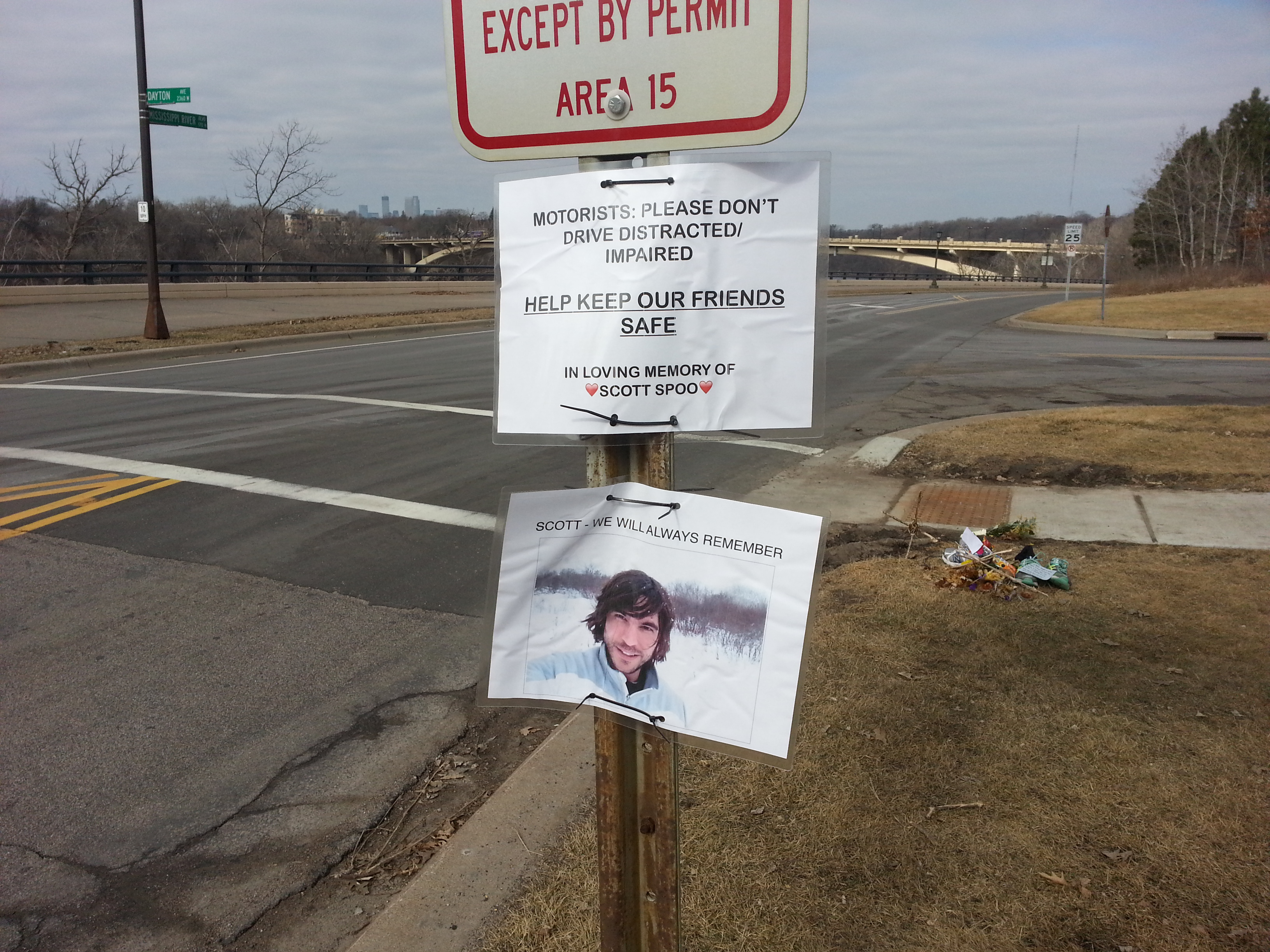
On a sadder note I stopped by the roadside memorial for Scott Spoo, a 35 year old engineer who was killed by an SUV driver while jogging on East River Parkway in Saint Paul a couple of weeks ago:

https://www.mprnews.org/story/2017/02/23/suv-driver-kills-pedestrian-in-st-paul

At first it looked like your typical drunk. Now it appears the driver may have had a medical impairment that he did not know about. As long as the blood toxicology comes back negative, I predict he will suffer zero legal consequences.

Whatever the cause of this particular motor killing, it seems like the broader questions are at risk of going unanswered:

– Why is this incident seemingly identical to the one from last fall? (http://www.startribune.com/suv-drives-on-lake-calhoun-path-hits-and-drags-jogger/400411781/). An SUV, a 60-something driver, a medical episode, a young adult jogger on a park path. Fortunately the victim was not killed in that case.

– Why do driver’s licenses in Minnesota last forever, no questions asked, if renewed every four years, with no retesting requirements for anyone?

– In a $50 000 luxury SUV, could some small portion of that price go toward collision avoidance or other pedestrian safety features (not just ones that protect the driver)?

– If those technologies are feasible, why are they not mandated? Backup cameras are mandated in all new vehicles because of 210 backup fatalities per year. Why not mandate more of these systems in response to the other 4 400 pedestrian deaths?

– Medically impaired drivers will only become more common as America ages. If the driver was having a medical episode, why can’t the car sense this and bring the vehicle safely to a halt?

– Considering the heavy foot and bike traffic on the river paths, why is vehicle traffic only a few feet away? Can’t people get a little respite from exhaust fumes and danger when they exercise?

When I hear about another death like this, I feel anger and confusion. I want to see the distracted/enraged/speeding/intoxicated driver go to prison. When it turns out to be due to a heart attack or similar, it’s as if that explains it and there is nothing else to question.

This reminds me of our weekly USA mass shootings where the killer turns out to be deeply disturbed. It’s as if the mental illness is the sole component and since anyone can go nuts, there is nothing we can do about it. Specifics about the hyper-availability of guns fade away and get replaced with detailed coverage of the killer’s mental illness.

But when I see a young, active person die a violent, random death like Scott Spoo’s, I don’t want to see people shrug. I want to help prevent the next one.

Wild River State Park one-nighter

I like this state park. It is less than an hour from Minneapolis. In the winter when the park is almost empty of people it seems much bigger.

I drove out on Friday evening and was back within 24 hours. I like the idea of getting out there as soon as possible after work, being on the trails before anyone else on Saturday morning, getting in a full day of hiking, and then being home in time for a good night’s sleep in my own bed.

The apocalyptic snowstorm that was looming throughout the week never materialized. However, the low was about 16 degF, so I knew I had to prepare. I went in full wuss mode: I was 20 feet from my car. I doubled up on sleeping bags, sleeping pads, and pretty much everything else. I even stopped to grab a sandwich on the way there. I was aiming for enjoyment throughout. I wanted no tight moments.

Some things that helped me: peanut butter and honey English muffins. My synthetic balaclava. My thick Gordini mittens. My new sleeping bag liner.

Things that were difficult: getting my small campfire going. Flooded trails near the river. Very uncomfortable night-time erections (next time I will not sleep in my thermal underwear).

Here are my frugal calculations:

$7.70 for gasoline

$7 for a sandwich to eat by the campfire

$25.50 for the site

$5.40 for firewood

Total: $45.60.

There are way lamer things to spend $46 on.

wild-river-state-park-25-feb-2017-3