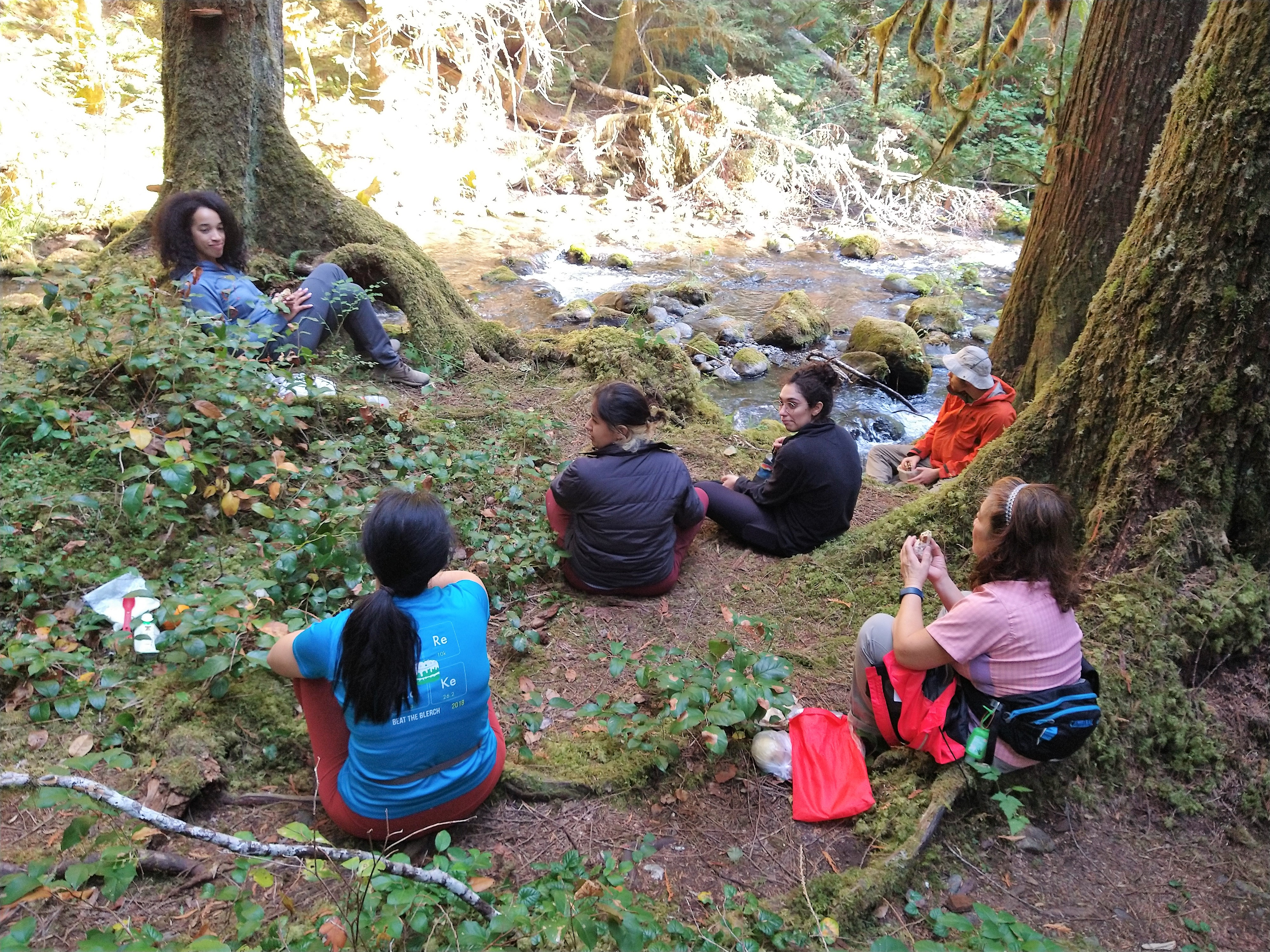
I camped in the eastern Olympic Peninsula on the last warm weekend of October 2022. I enjoyed learning about the landscape and the plants, animals and fungi of this old-growth forest. I met sharp and funny people who love being outside. And I smoothed my preparation for winter camping in the same area by testing out my gear and attitude.
NATURE
We set out under bad wildfire smoke that prompted lingering dread in us, which we discussed before agreeing to go in and do it anyway. The forest was very dry and also quiet and seemingly dormant except for the noisy stream and everything around us looked resplendent in yellow from the changing alder leaves and in green from the hemlock needles. The dryness was remarkable but soon it will again be a damp bed as the lichens and moss grow back over the winter months under steady moisture. Fires were allowed within a pit. At night we roasted nachos and s’mores and could see no constellations through the forest canopy and it served as a small consolation that this effect will be the same in the coming winter when the cold fog buries the stars.
PEOPLE
We were a small group and each camper had an interesting story. One was profiled in a recent documentary about people who enjoy the outdoors despite their trepidation and uncertainty about being welcomed there. Another was a geologist with a zeal for identifying wild organisms with the iNaturalist app. I like the help of an app and I also like my "Field Guide to the Cascades and Olympics" even though the abbreviations are excessive and the illustrations are weak. A couple of days later on my favorite paleontology channel online I saw her presenting fascinating speculation as to whether all eukaryotes are descended from Archaea. Another camper was an aerospace engineer and another was a 70 year old woman who camped and hiked as an emblem of her emancipation from her idiot longtime husband. As we cooked and ate the beans for our nachos these people made every wisecrack and pun on beans you could ever want to hear, and then made five more.
PREP FOR WINTER TRIP
I discovered that I will need to pack my underquilt for every night under 45 degF because my butt was a little cold in the hammock due to compression of the insulation. I will take more bear precautions because of several third-hand but horrific anecdotes about bears that my companions shared. I will need to master the psychological challenge of being at camp, in the dark, from 4:30 pm until sunrise. Or I could take the advice of many backpackers and hike through that long period of dark and embrace it instead of sitting down after a truncated hike and feeling defeated. To do this I just need to get better and setup and takedown in cold, dark and wet weather. I will relent in my lightness aspirations and take along a bigger backpack at 40 liters volume instead of trying to cram things in. I now feel prepared for a winter trip when it is cold and wet and dark. And I will take inspiration from the defiance of my camping companion and the curiosity and fierceness of heart of this group of nature nerds.
On this nice little walk in a familiar peninsular park I kept with me this passage from an ancient epic:
"As wave is driven by wave
And each, pursued, pursues the wave ahead,
So time flies on and follows, flies, and follows,
Always, for ever and new. What was before
Is left behind; what never was is now;
And every passing moment is renewed."
Seward Park happens to have a beautiful outdoor stage which is sadly underutilized and today the conditions were perfectly warm and clear except for the poor air quality due to wildfires.
I sat and watched the stage waiting for something to happen.
A cute couple acted out a minor drama with their dog lifted in the air as a prop.
I thought of an old friend who was assigned to read Metamorphoses (above) in high school and I felt a bit envious, because when the fuck else will a typical person read this material? I sure have not.
I thought of my gentle meditation teacher who is studying the human mind and who gives me free advice and direct experience weekly. And I will share this passage with her on Wednesday and she will appreciate the nature/waves imagery, and present moment ideas.
I watched several waves of crows beat overhead of the stage like a subtle fanfare. They looked incredibly black against the sky and I noted with satisfaction that the dry, hot, smoky weather is finally coming to an end in Seattle and these birds will be flocking in large groups nightly because of their keen learning and instinct.
A moment went by and I felt grateful for not feeling sick from my (fourth) covid vaccination and flu shot that afternoon.
I thought of two online sources that contradicted each other as to whether Ovid’s "mock epic" ended with Julius Caesar’s death (also a subject of staged drama) or with Augustus’s deification.
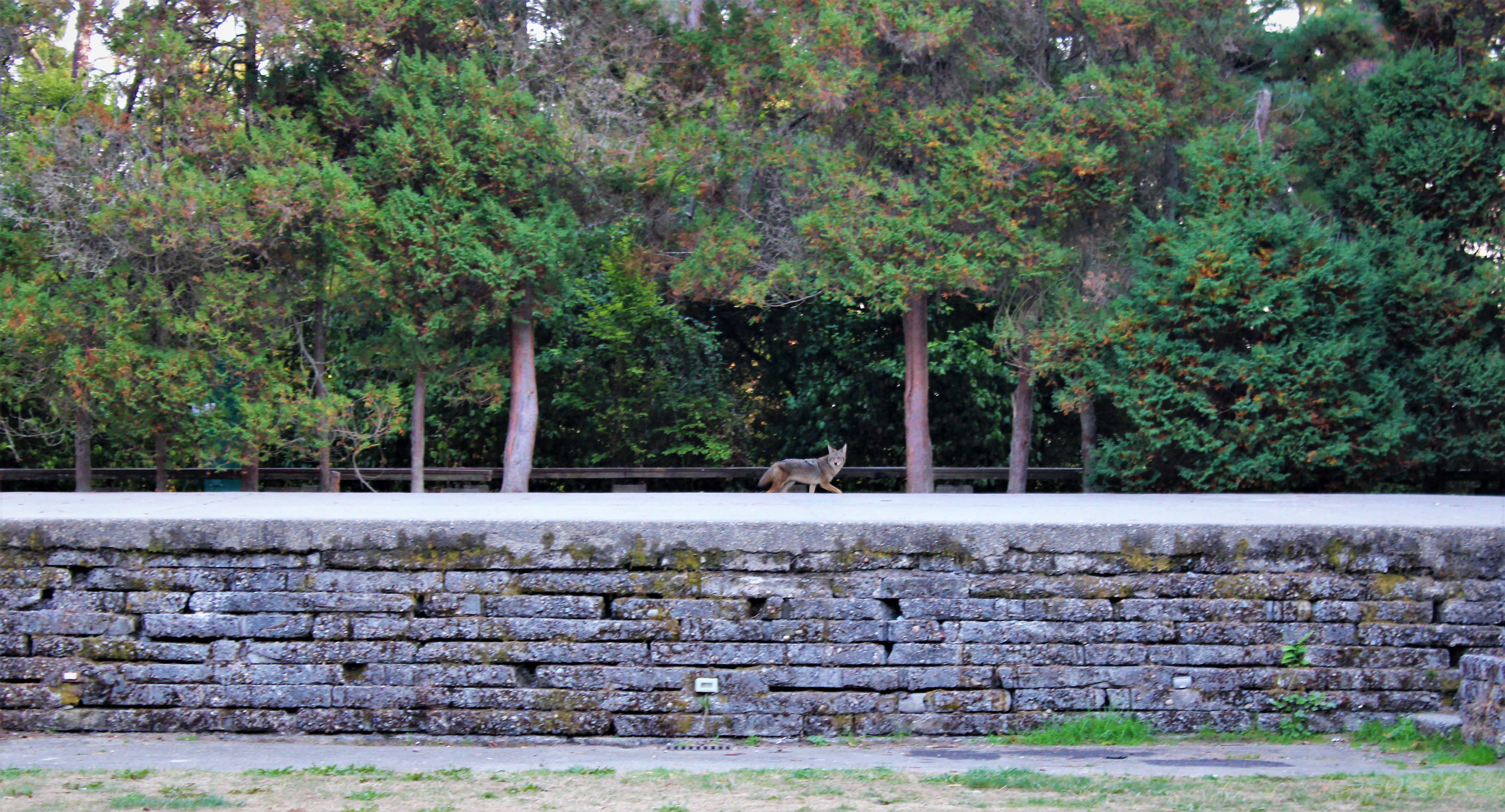
As I pondered this irrelevant question a thing finally happened: a coyote traipsed behind the stage. A man’s dog, which was coyotelike, had scared it up. I thought of my friend in Portland, who said she identified with this animal.
And I resolved to connect with that friend and get a better photo of Seward Park’s coyotes next time.
The author is a frequent New York Times contributor and I got the book after reading a good analysis by him of the MAGA craziness that’s going on among Arizona Republicans.
Iraq war II is long past. There is new bad stuff going on in the world that I could be reading about instead. However, I wanted to understand this major fuckup and how I, as a liberal teenager, got duped into basic lukewarm support of the invasion along the way.
Paul Wolfowitz: the architect of a fiasco
The book opens on Paul Wolfowitz, who was a perpetually wrong administration figure with a fantasy of invading Iraq at zero cost in lives or money. His ideas around liberating the country were fixed in his mind for decades and based partly on thoroughly refuted theories promulgated by Laurie Mylroie.
Ahmad Chalabi, an ex-Iraqi with charisma and connections; and other fabricators who essentially wandered into CIA buildings off the street also provided the foundation for an invasion plan. Donald Rumsfeld is described as a toxic boss and classic bully who thrived in an atmosphere of chaos and intimidation. George Tenet is depicted as a well-liked CIA leader who provided a soft pretext for war in the absence of actual evidence. He sucks, for this pretext and for his tenure of torture, but there is so much more blame to go around. There was a continual ratcheting up, where a set of shoddy ideas got repeated and amplified and then become the basis for action.
Among the other killer clowns who look bad in the book are Doug Feith, Dick Cheney, Colin Powell, and various administration and CIA officials who simply crafted and carried out a grand debacle.
Other influential pro war celebrities
I was disappointed to see that a celebrity atheist I looked up to when I was a young adult became a pro Iraq war talking head: Christopher Hitchens “and other liberal writers exerted, above all, a moral justification for invading Iraq. The fall of the Berlin Wall and the subsequent liberation of Eastern Europe stirred the conscience of liberals who had spilled more ink decrying Reagan than Soviet totalitarianism. The swiftness of operation Desert Storm had demonstrated to them that all wars need not be Vietnam. At the same time, that war’s unhappy aftermath, with the elder Bush consigning the Marsh Arabs to massacre, along with Clinton’s paralysis during the slaughter of the Tutsis in Rwanda three years later, horrified intellectuals of the left for whom ‘Never again’ was civilization’s blood oath.”
I think in Hitchens’ case, the stridency of New Atheism, (a movement I got caught up in and respect to this day) led to disdain for the tribal/religious violence and stupidity that was suddenly so apparent in the world, and this led to an eagerness to see something, anything, be done about it. I have noticed a troubling similarity with Sam Harris’ views on Islam. I figure that sure, Islam sucks, but so does every other religion. And one thing that makes secular humanism better than religionism is refraining from violence and abuse of power.
Colin Powell’s capitulation
Powell soured a glittering career with a moment of capitulation and bending of the truth when he went before the United Nations to make the case for war in front of the world. This part of the book struck me as especially sad. Powell was a decorated general, yet he capped his public life with a moment of cowardice that is hard to understand.
Pro-war people I knew
My British literature teacher in sophomore year of high school, Mr Seeberg (with three e’s, as he would remind us) made a dead serious speech to us impressionable 16 year olds. He brought up the Iraq invasion debate in late 2002. In a somber tone, he looked around the room and said that there are evil terrorists out there who, if they could, would press a button and kill you, me and all of us. He let his words sink in and then continued with class.
Mr Seeberg, you were wrong.
Most other people I knew were vaguely against the war but also thought that we must be going to war for a reason. There must be something the government and military know that we do not. It turns out they were wrong, too.
Antiwar voices and protestors
In my city of Minneapolis pink shirted protesters gathered every week for years on the Lake Street bridge. They were drowned out by people who were pro war or mostly indifferent. Ten years later, they were still there protesting. They were right.
The book depicts some administration officials and CIA/military people as decent and competent and unwilling to bend the truth or offer fake “alternative analyses.” However, these people were too few and too quiet to prevent the drumbeats of war.
Watching the invasion as infotainment
I recall the excitement of the Iraq invasion in 2003: I would get high and watch Dan Rather and other CNN journalists pick apart the invasion with dynamic maps and graphics. I followed excellent coverage from the New York Times for years. Embedded journalists also made the coverage more exciting, even as they highlighted the enmeshment of the US military and the journalists who were supposed to be providing objective reporting and analysis.
When US soldiers and intelligence agents turned out to be torturing, raping, killing and humiliating Iraqi inmates at Abu Ghraib, I looked at all the awful photos. One of the soldiers featured most luridly in the photos argued for a lenient sentence because she was mentally handicapped. And these are the people we sent to “liberate” a distant country.
Years after that, I watched the hanging of Saddam Hussein. Instead of a prison term, the US-backed Iraqi government gave him a brutal public execution. It turned out that in his final years, he was not coordinating with terrorists to wipe out Washington, but rather writing his fourth novel while other officials carried out government administration.
Bottom line: Saddam had no link to al Qaeda and no WMDs
The book’s epigraph is fitting:
“A man is not deceived by others; he deceives himself.”
– Johann Wolfgang von Goethe
Those soldiers came home and influenced US culture for the worse
Some US soldiers, like an acquaintance of mine, simply played Xbox video games and ate fast food on a secure base for several months and then flew home. Many others sustained permanent brain injuries, disfigurement, and psychiatric conditions. Many died. They all came home and influenced the culture, in ways vividly illustrated in the comic About Face. When I breathe toxic diesel exhaust from a lifted pickup truck, I often blame one of these assholes.
These people are not, I think, as dangerous as portrayed in the comic. They have lots of guns, but mostly use the guns to kill themselves alone in deliberate suicide. And when they break into the capitol, they simply take selfies and look like an easily prosecuted jackass.
The war killed a lot of people and brought chaos to the region and disunity to the coalition
The war set the scene for Islamic State and the war in Syria. Most 9/11 hijackers were Saudi, and the Iraq war did nothing that would harm our buddy-buddy relationship with that country.
Oh, and 100 000 to 1 000 000 people were killed.
The ultimate responsibility is with George W. Bush
“But the architecture of his errors now loomed over Bush’s presidency. It was he who had selected Donald Rumsfeld, who had been out of government for a quarter of a century. It was he who had been insufficiently attentive to the threat posed by Osama bin Laden. It was he who internalized the evidence-free claims by Paul Wolfowitz and others that Saddam likely had a hand in the 9/11 attacks. And then it was he, above all others, who promoted the spectacle of the Iraqi dictator handing over his imaginary weapons to a group of terrorists so as to fulfill the imaginary ambition of destroying America. It was the president’s imagination that had run fatally wild.
It was Bush, the commander in chief, who saw no need for rigorous debate among his war council. Not on the advisability and necessity of invading Iraq. Not on the composition of the invasion force. Not on what would follow the invasion.
Bush, more than anyone else in the administration – more even than Wolfowitz – lived by the unassailable credo that all humans deserved to be free. Proceeding from that belief were several unfortunate leaps of logic. Iraqis yearned for freedom above all else. All sectarian grievances would give way to the desire to preserve a free Iraq. The Middle East would take note of this new blossoming; its deserts would erupt in a flowering of freedom. And along the way, to any tactical question, freedom served as the strategic answer.”
Bush II, in my view, was way worse than Trump. People who say otherwise have lost perspective and are just as caught up in social media as Trump is.
The present day
Finally we have left Afghanistan after 20 years. Yet we are pouring billions of dollars into yet another war in Eastern Europe that does not affect us directly. We are using the same “domino” argument as in Vietnam, that Ukraine must be defended, otherwise Russia and totalitarian rule will expand. We are blind to how NATO continued to expand after the end of the Cold War but Russia was subjected to containment and isolation. We are still a warmongering country, nostalgic for WWII, eager to bomb and invade and meddle. Lately the adversary (Putin) does actually have WMD. The news media is full of uncritical pro-war coverage. I don’t know what will happen next in Ukraine, but it might involve nuclear weapons. And twenty years on, I might be reading another analysis just like this.
About the photo
This aggressive red eyed drooling seagull in Olympic Sculpture Park looked like it would unleash world-ending WMD’s to get ONE of my hot chips. Saddam would not.
I visited Seward Park today and looked at the animals. The air quality in Seattle is bad so I walked and tried not to exert myself. There were few people out.
Animals
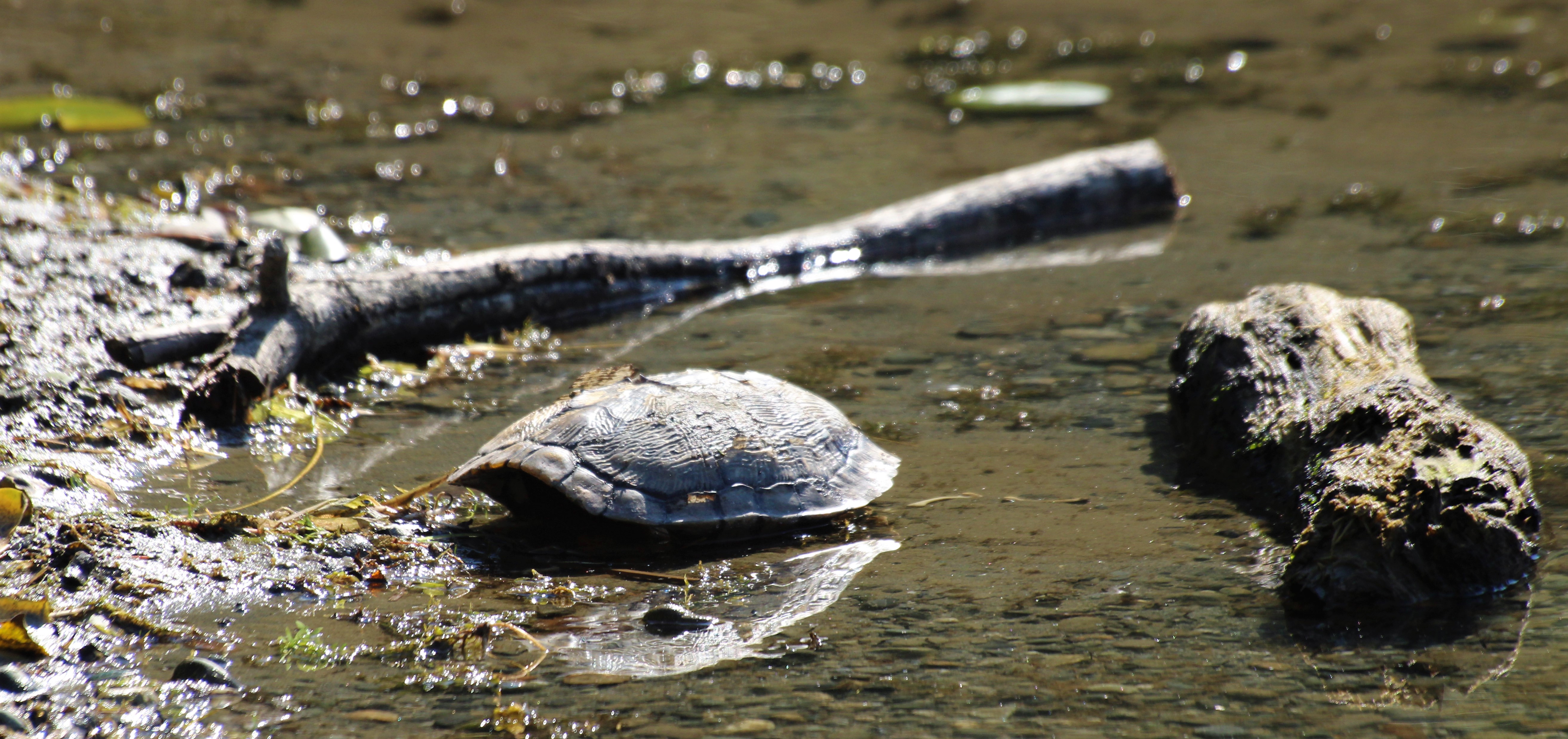
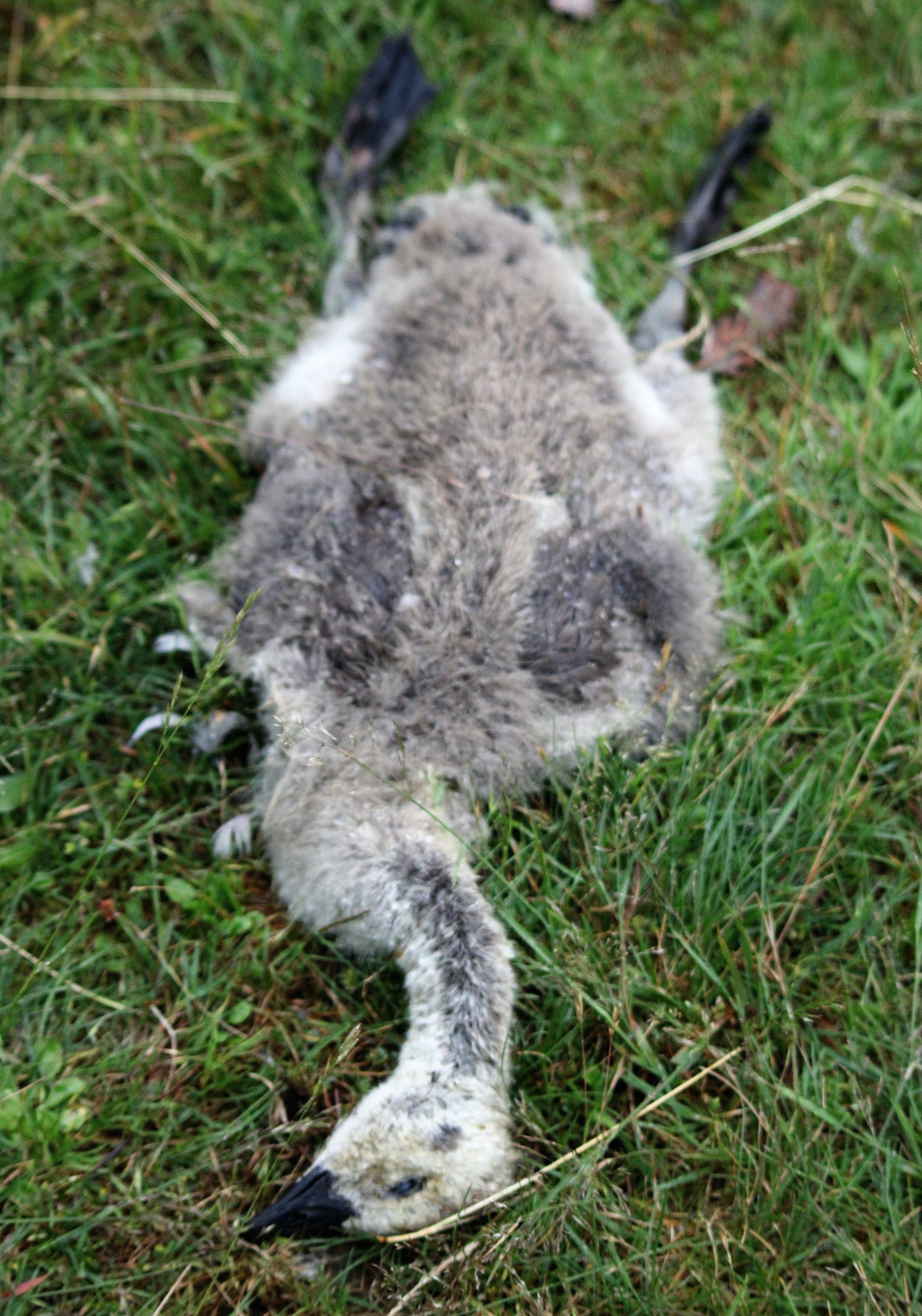
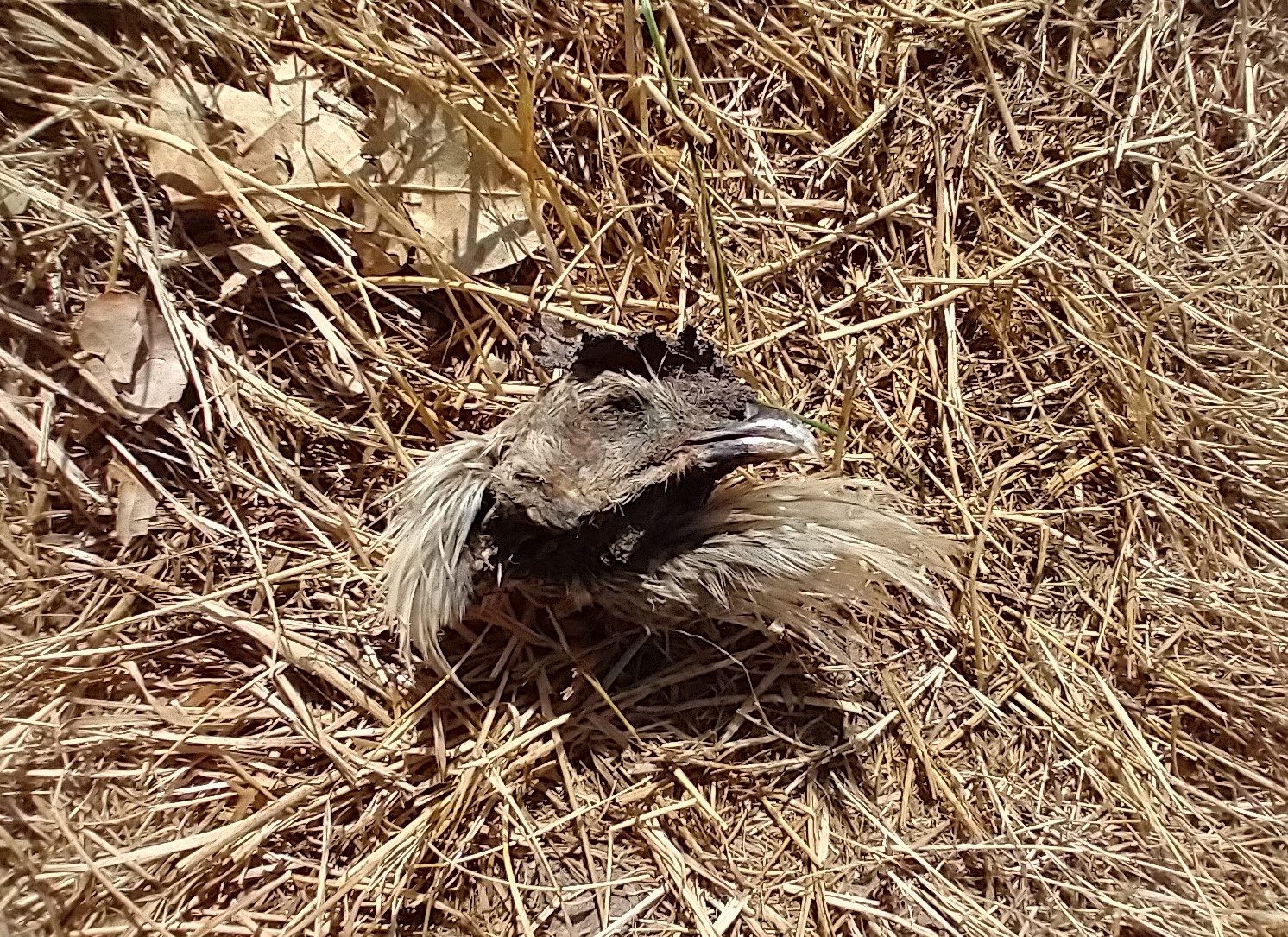
Half the animals I saw were dead: dead salmon, a dead turtle, a dead chicken (head only). The dead turtle was significant when you consider that they live 30 to 50 years. I saw one garter snake sunning itself.
The bird life was abundant:
Steller’s jay
Bald eagle
Gulls
Song Sparrow
Canada geese
Mallards
Tiny chipping birds
Chestnut sided chickadees
Crows
Dark eyed junco
Anna’s hummingbird
Grebe
Camera
I am still figuring this thing out. Bear with me as I learn to photograph things.
This crow pecked at a rotting salmon carcass.
These people paddled out into the haze.
This dude was doggedly probing for something with his metal detector.
Reading “Consilience”
I am reading Consilience by Edward O. Wilson. The book argues for the ultimate unity of knowledge, to be synthesized via empiricism and the original Enlightenment spirit of inquiry, rationality and knowability. He argues that powerful, generalizable laws and principles of complexity will emerge that will apply across disciplines and synthesize upward from the reductive approach that science usually follows (to great success thus far).
The writing is excellent and I’m continually absorbed in (and impressed by the evidence for) ideas about a universal of human nature shaped by evolution, principles of Darwinian selection, epigenetic rules (or the inherited regularities of mental development that compose human nature, which is deep and highly structured), the rooting of fictional archetypes in the human brain and body, gene-culture coevolution, and how ethics is driven by hereditary rules of mental development.
The last EO Wilson book I read was “The Future of Life” and the next one will probably be The Diversity of Life or “Biophilia.”
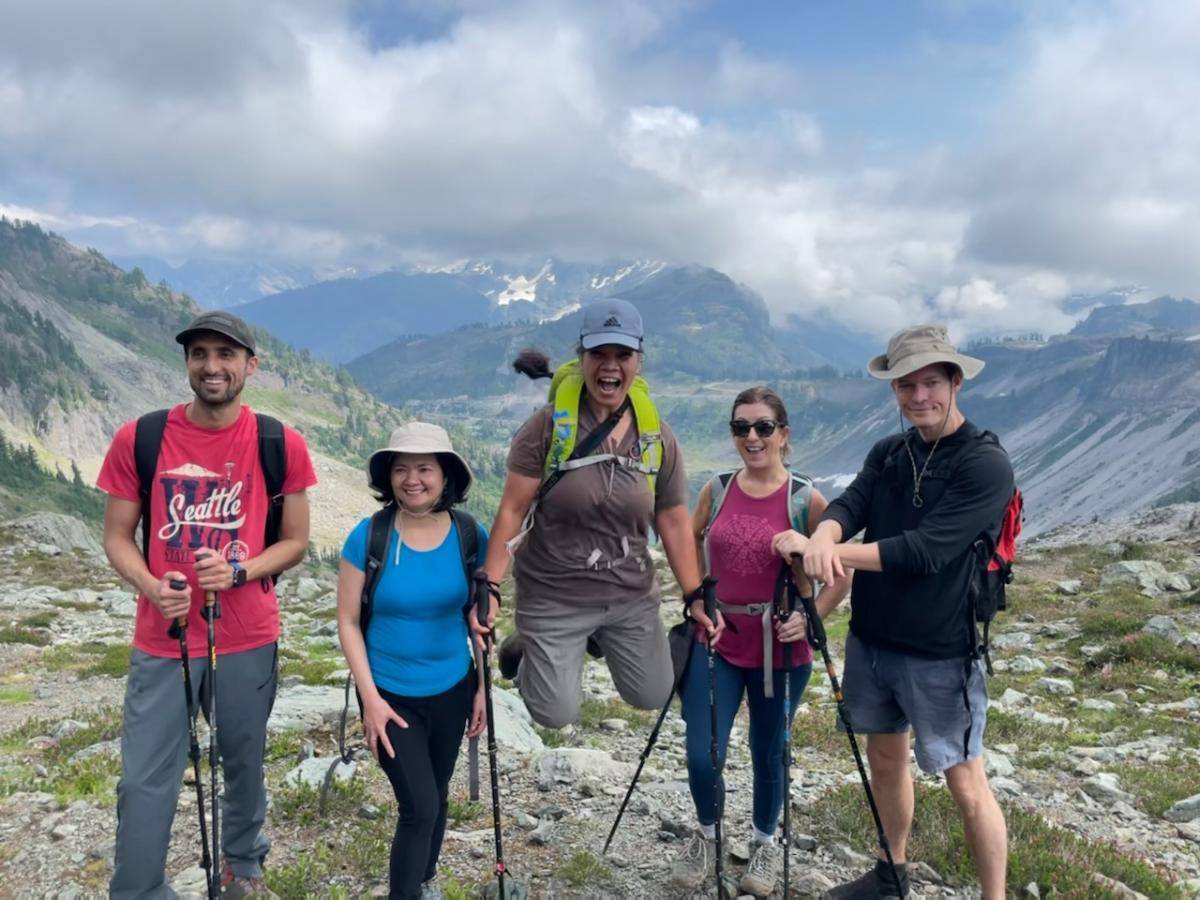
I hiked the Chain Lakes trail in the Mt. Baker-Snoqualmie National Forest and I was blown away.
Epic natural beauty
It is hard to describe the awesome landscape of this North Cascades region. There are bleak, rocky outcroppings with huge rockslides and fields of snow. There are lush green spaces with spruces, pines and wildflower meadows. Then there are alpine lakes that are turquoise in hue and unbelievably clear and inviting despite being frigid.
The best comparison I have to mention is fantastical western landscape paintings from the 19th century or the scenery in the video game Red Dead Redemption 2. But there’s no substitute for being in it.
Companions
I went with a group. I have an increasingly well-founded and realistic fear of encountering disaster out there so it’s reassuring to go with others instead of solo. Among the many things that can go wrong are flat tires, falling down a cliff face, car crashes, getting lost, and having a bad reaction to a plant, bug or the elements. I read with horror about a family of three and a dog who died on a hike recently from simple dehydration. Other recent cases involved underprepared solo hikers who suffered days of delirium and hunger before being found only a short distance from the trail.
One companion was a Philippines-trained medical doctor who helped me a lot with an eye problem that was bothering me throughout the hike. She was a natural leader and kept everyone safe and organized. She told me about the protracted process of passing the medical boards in the US and how it’s not worth the time away from her family and the rest of the great life she’s living. I am often struck with the compassion, attentiveness, and helpfulness of some people. I contrast it unfavorably with my own behavior, which tends to involve not getting involved. But I am learning and following good models like her.
A dip in the icy lake
Despite the cold water, I really wanted to swim in an alpine lake that day. I jumped in just as the sun mercifully came out and I enjoyed the surreal nature of it. Treading in clear, deep waters on a mountain under even higher peaks was visceral yet unreal and I felt in touch with natural elements and the grand, inexorable forces that shaped the lake and mountain over the eons. I looked up and wondered if a suited-up explorer would take a dip in a liquid methane lake on another moon a few centuries from now and feel something similar as the cold creeps into his limbs. Of course, I am a tourist taking well-beaten trails with active maintenance and crowd control. But one can relish a taste of being an explorer.
Trampling versus enjoying nature
Throughout, I noted the interesting tension between human access to nature on the one hand, and destruction and trampling on the other. The parking lots were full. The shitter was putrid and had a long line. The trail had a lot of people on it (though it was not bad for a weekend).
Overall everyone was considerate. I did not see flippant disregard for habitat such as littering and making fires. We discussed Leave No Trace principles. However, the impact of crows is undeniable. This includes the gasoline that’s burned driving from Seattle to there and then up the mountain.
I walked my favorite city trail in Seward Park, Seattle the next day and found it less crowded than this remote wilderness trail at Chain Lakes. Perhaps there is something about driving a long way that makes it appealing. But awesome natural sights are close by. I spend more time walking old-growth forests in the city than I do in far-flung old-growth forests. I want everyone to be able to enjoy natural spectacles like that and understand why they are worth preserving. But if everyone were to go there, it would be destroyed. The true way to connect people with nature while preserving habitat is to create green spaces within cities, where most people actually live.
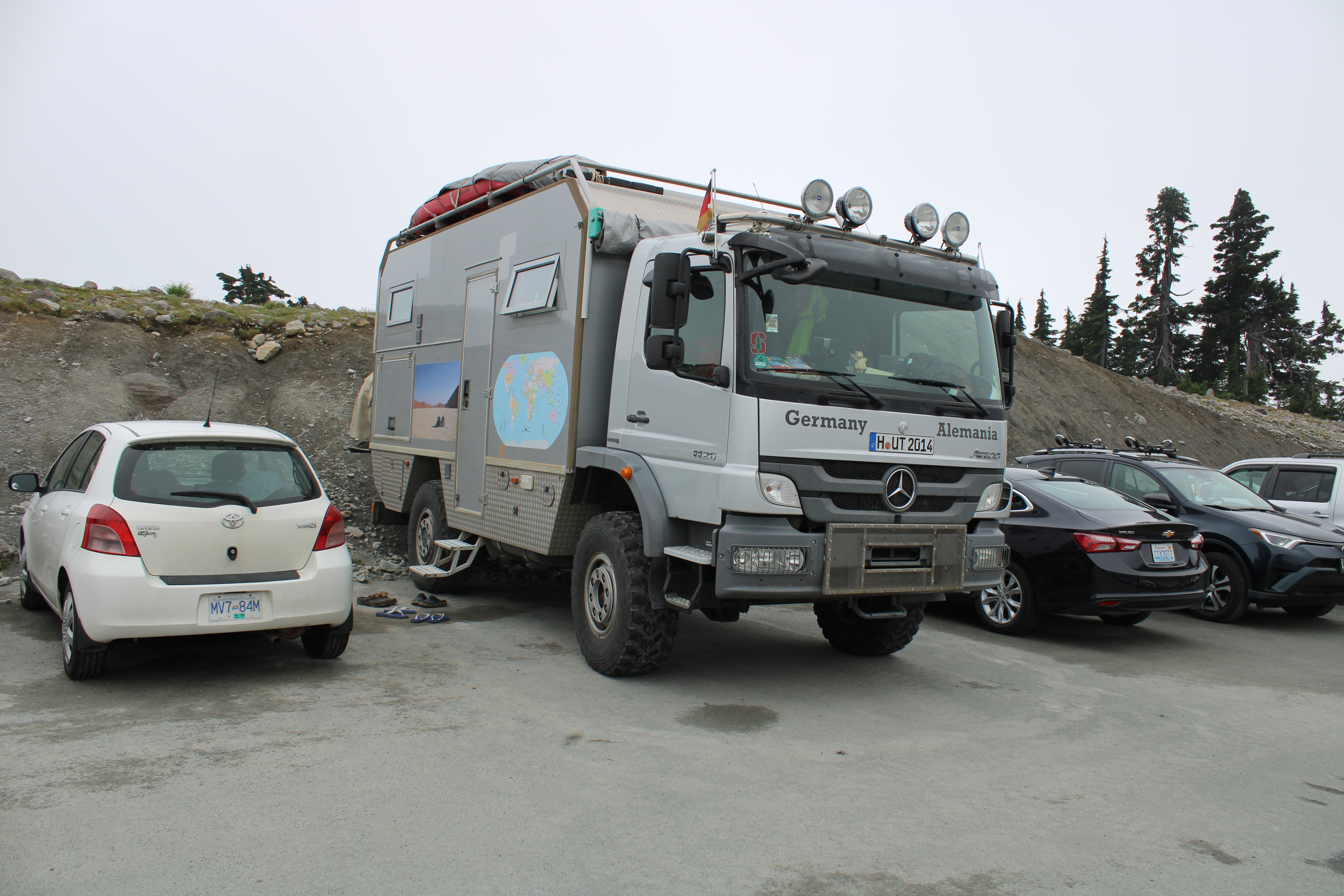
I noted the giant adventure vehicles in the parking lot. One was a huge German tank. Another was an actual short school bus. There were about 100 Mazda Miatas that made it up the mountain (must have been a gathering). I cannot judge people for choosing rugged vehicles in rugged terrain. But I wonder if some of these are excessive (especially when they return to circulate in the city).
The Magic Mountain
I read about awesome landscapes more often than I experience them firsthand. In The Magic Mountain, a foundational book of my adulthood, Thomas Mann describes a mountain landscape being drenched in snow (as this lush green space soon will be):
Laden with snow, the greenish-black pine forest marched up the slopes, and between the trees every inch of ground was cushioned soft with snow. Above the forest, mountains of rock rose into whitish gray, with vast surfaces of snow broken occasionally by dark, jutting crags and ridges gently dissolving into mist. Snow was falling silently. Everything grew more and more blurred. Gazing into cottony nothing, eyes easily closed and drifted into slumber, and at just that moment a shiver passed over the body. And yet there could be no purer sleep than here in this icy cold, a dreamless sleep untouched by any conscious sense of organic life’s burdens; breathing this empty, vaporless air was no more difficult for the body than non-breathing was for the dead. And upon awakening, you found the mountains had vanished entirely in the snowy fog, with only pieces of them, a summit, a crag, emerging for a few moments and disappearing again. This soft, ghostly pantomime was extremely entertaining. You had to pay close attention to catch each stealthy change in the misty phantasmagoria. Freed of clouds, a huge, primitive segment of mountain, lacking top and bottom, would suddenly appear. But if you took your eye off it for only a minute, it had vanished again.
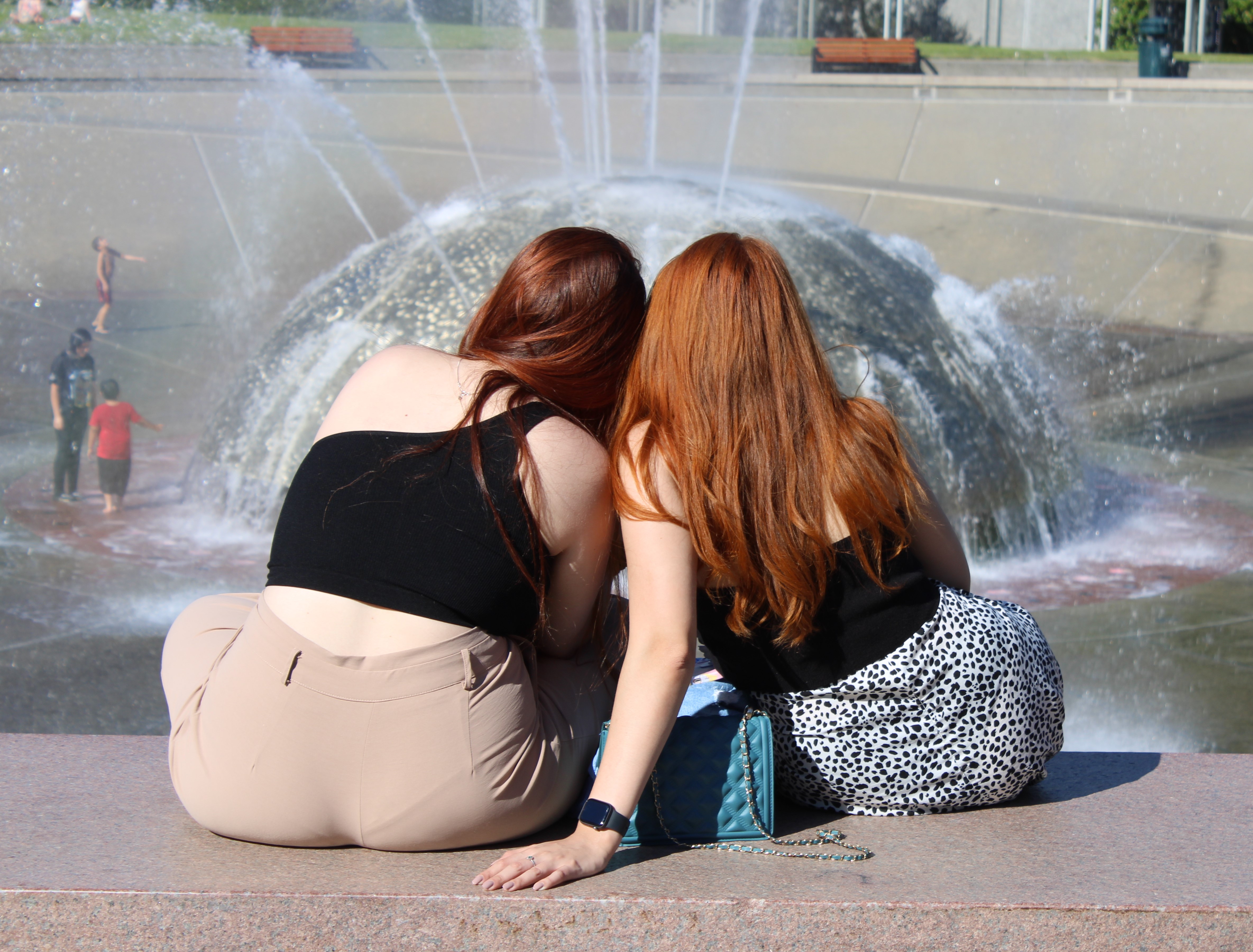
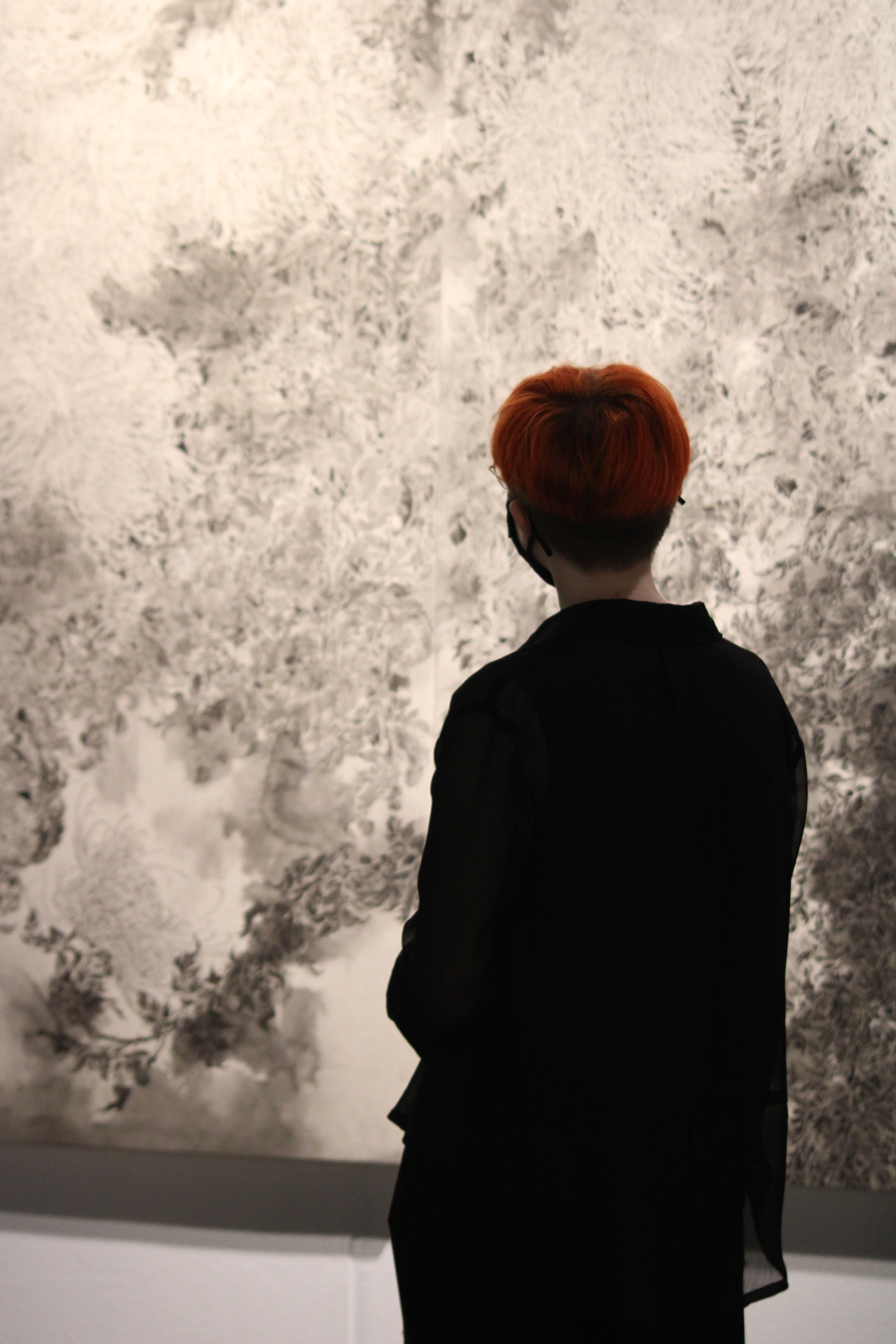
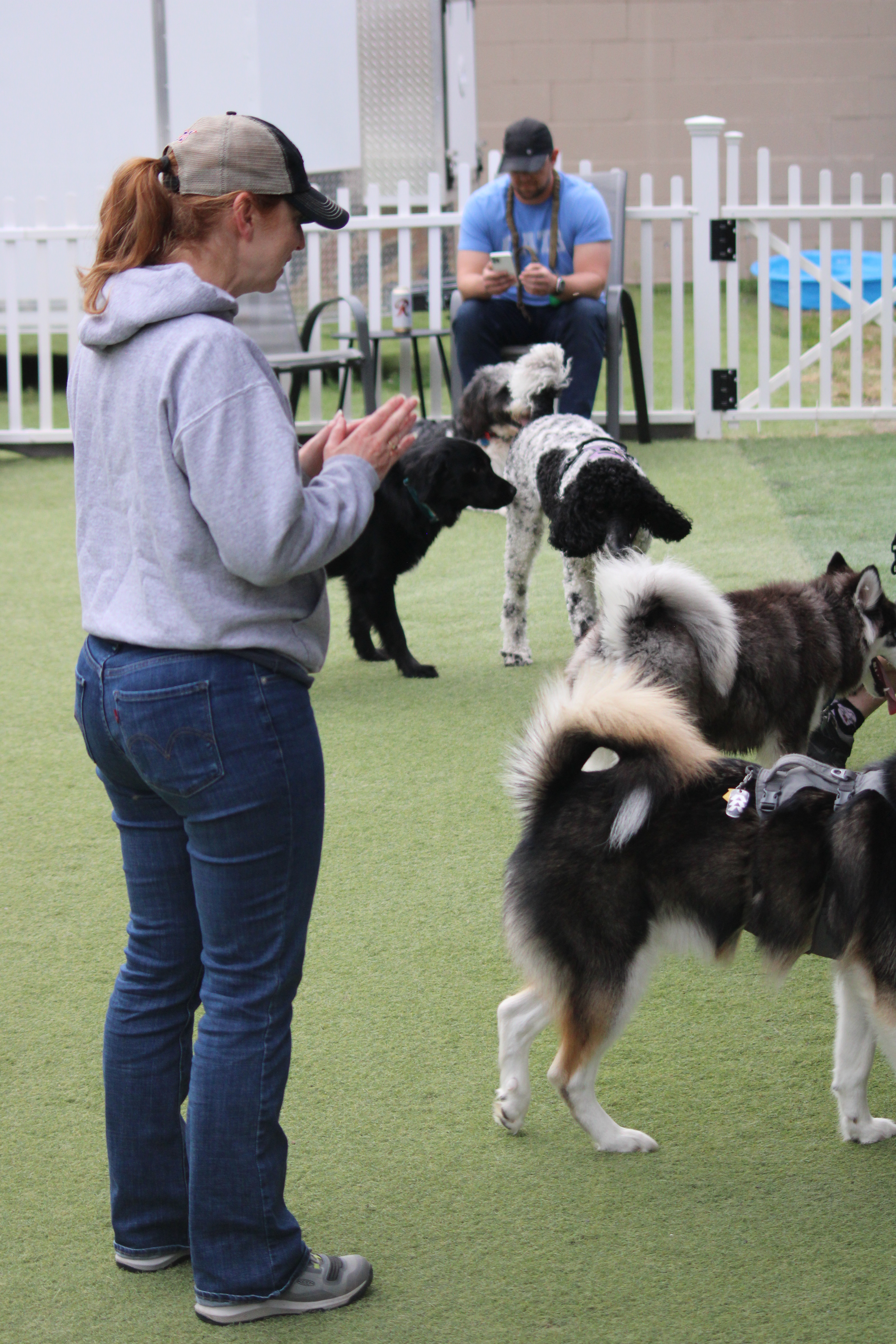
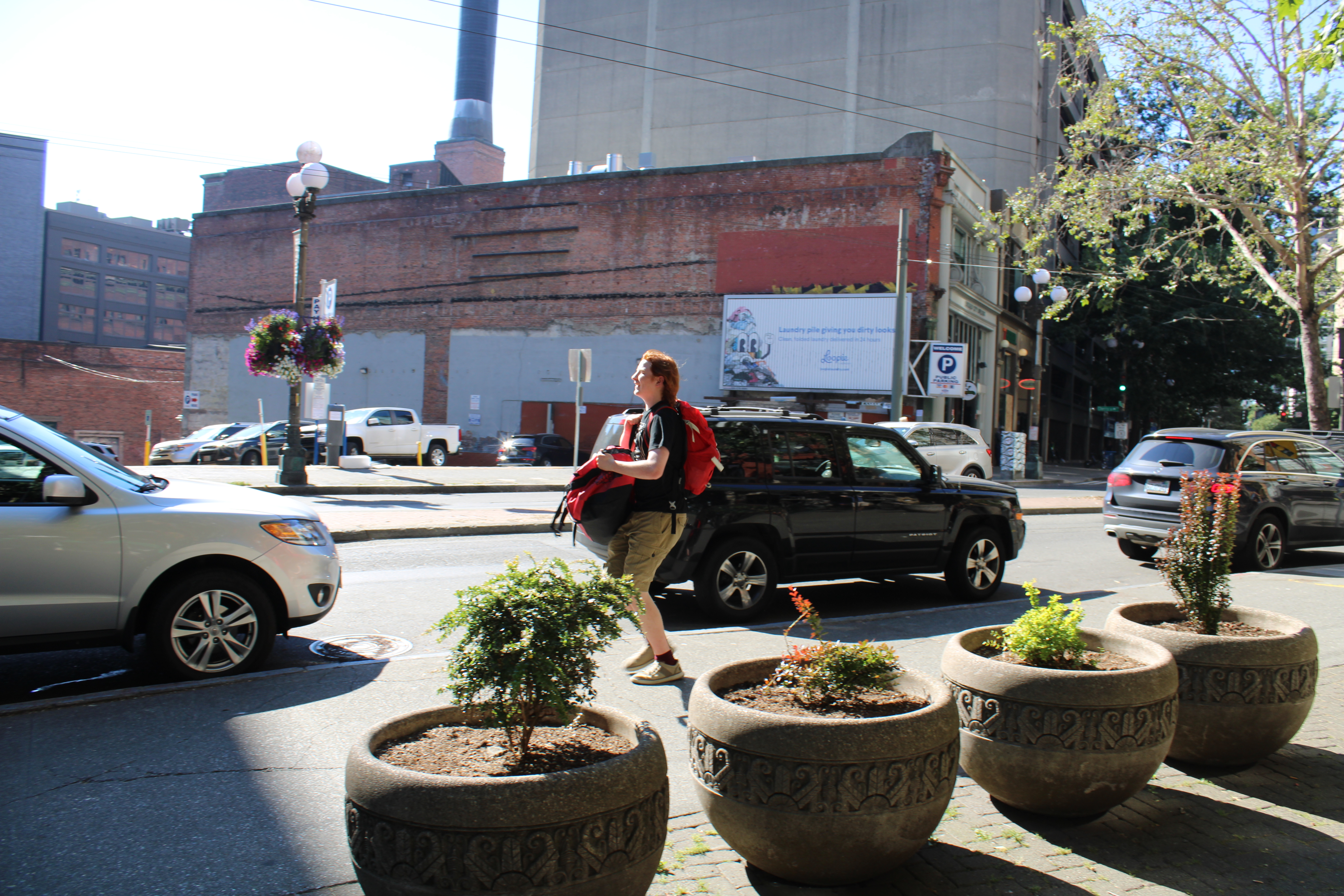
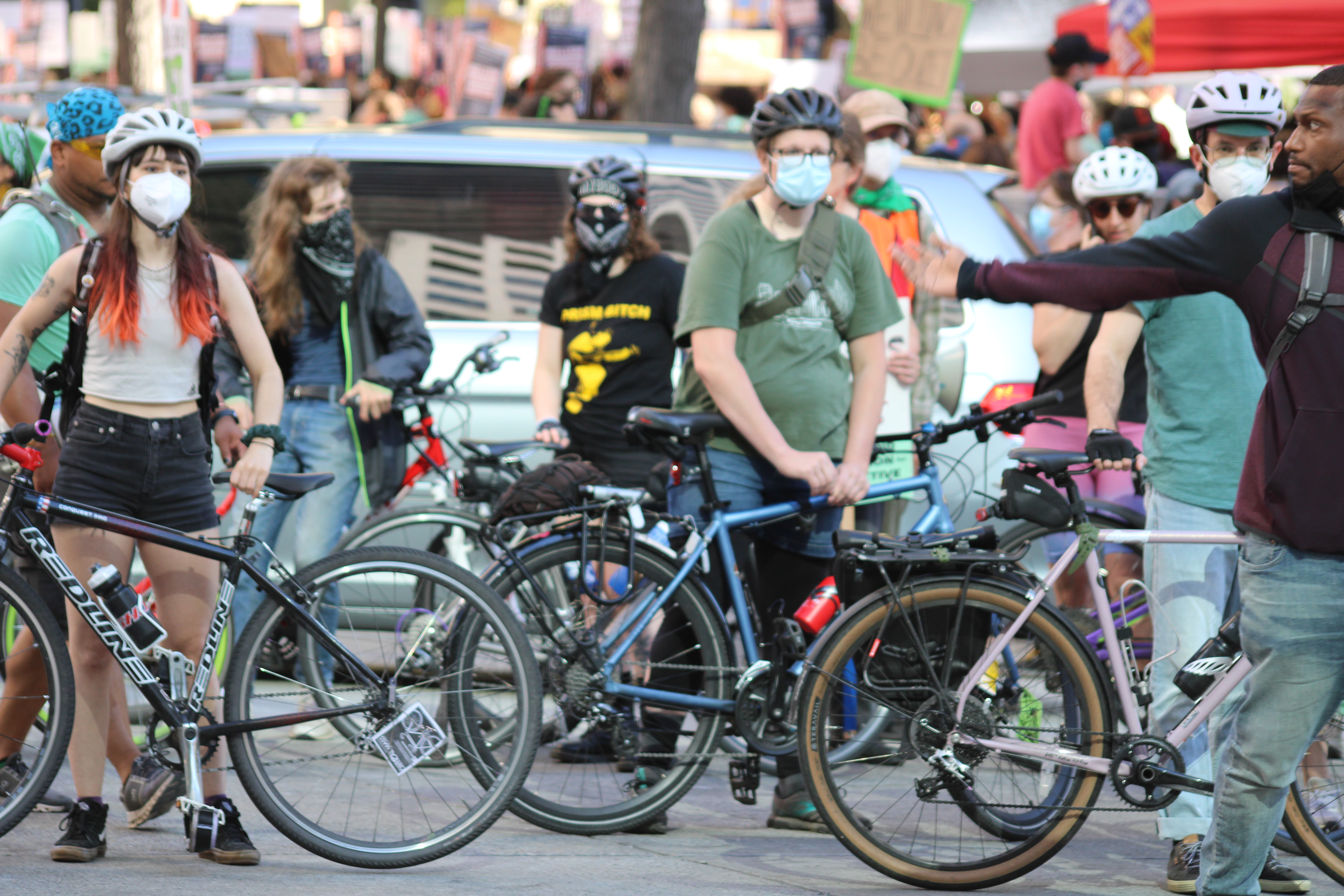
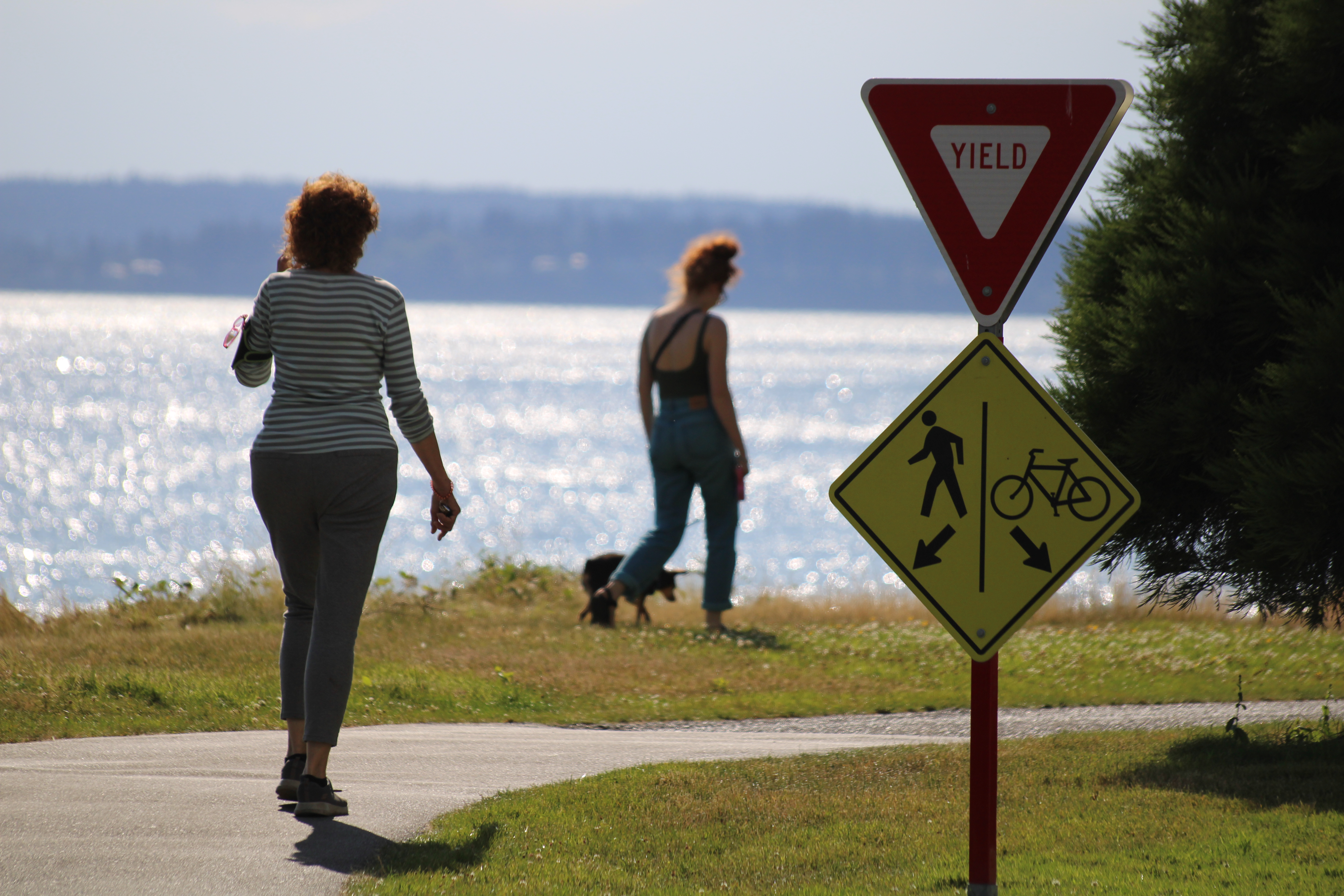
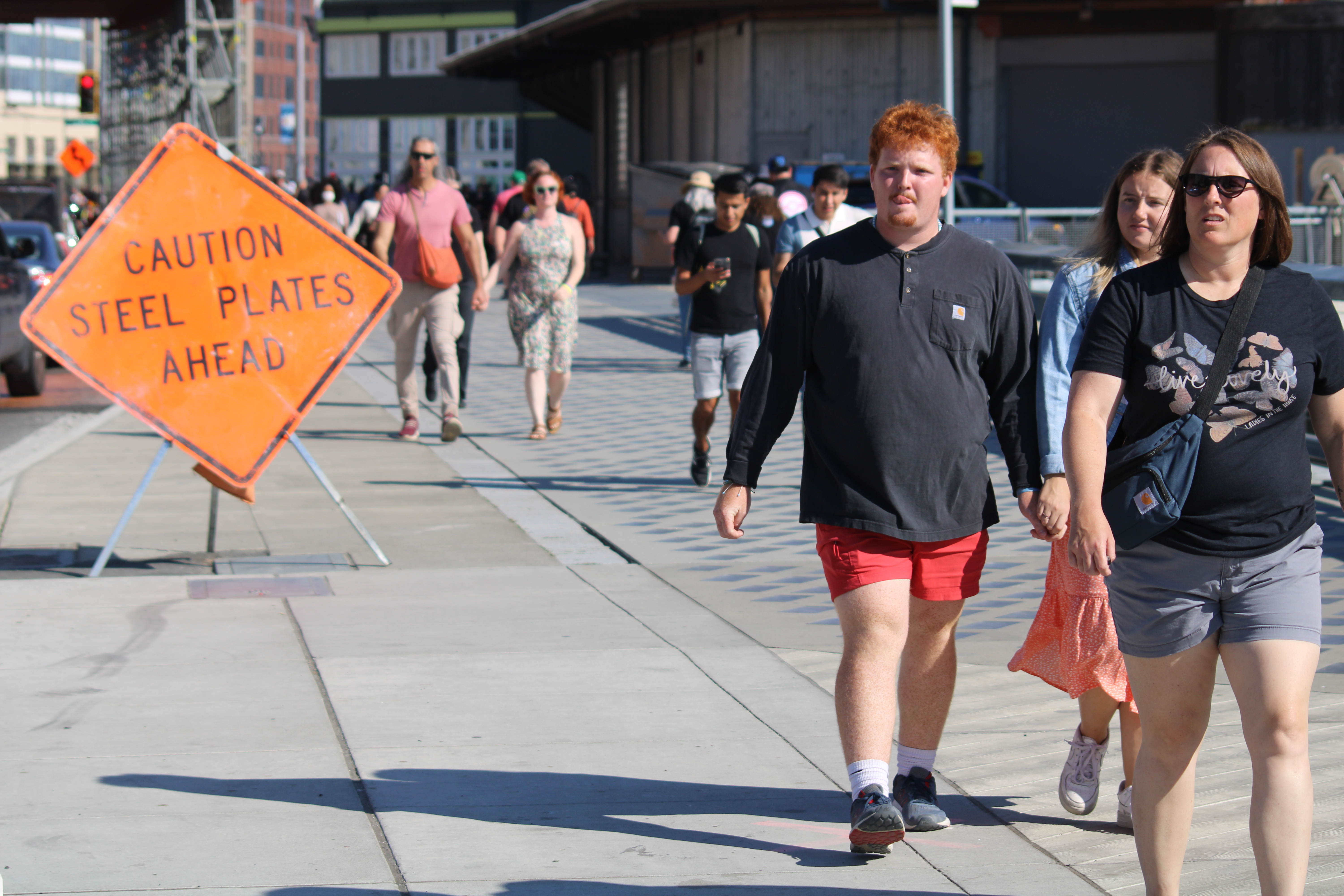
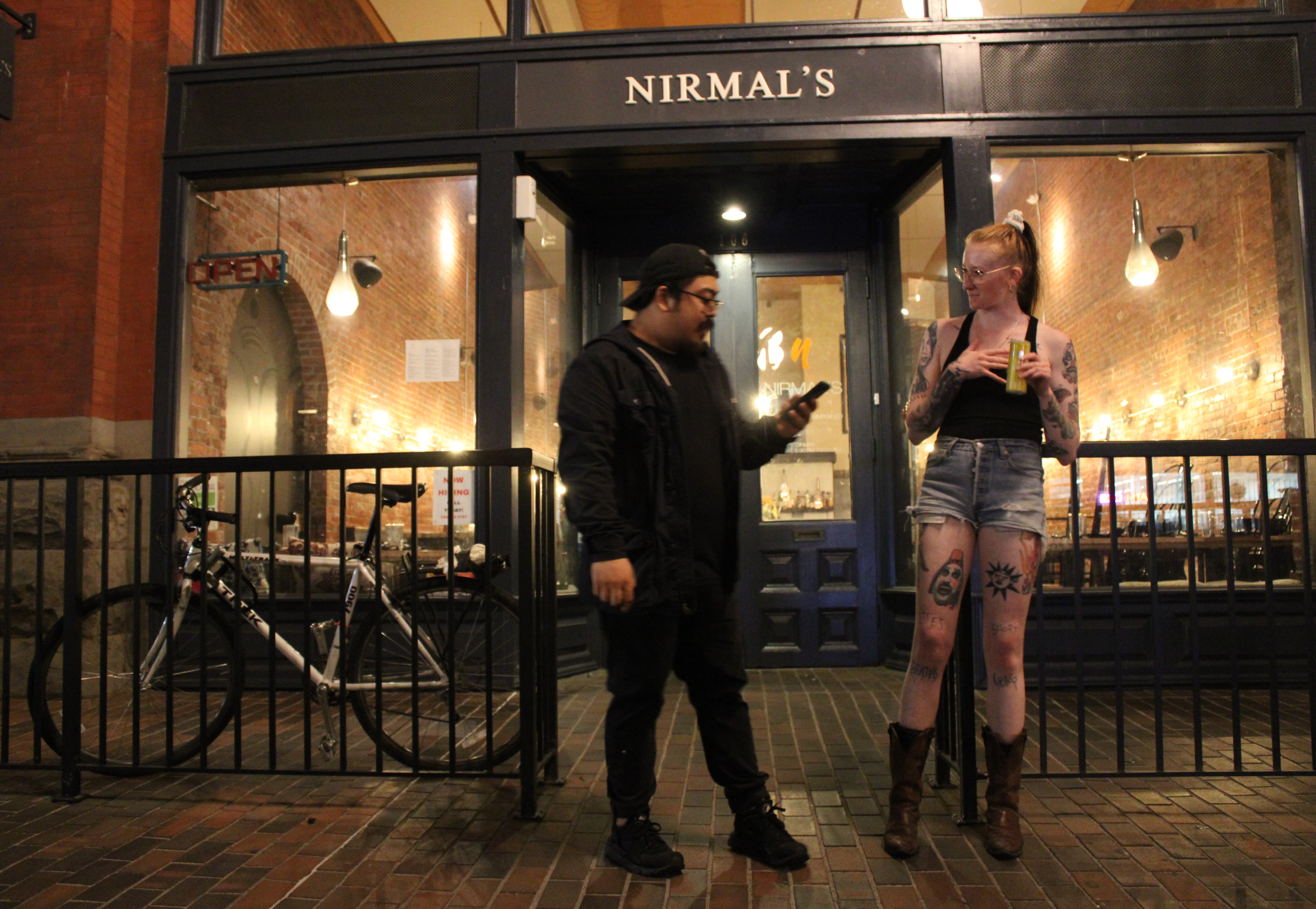
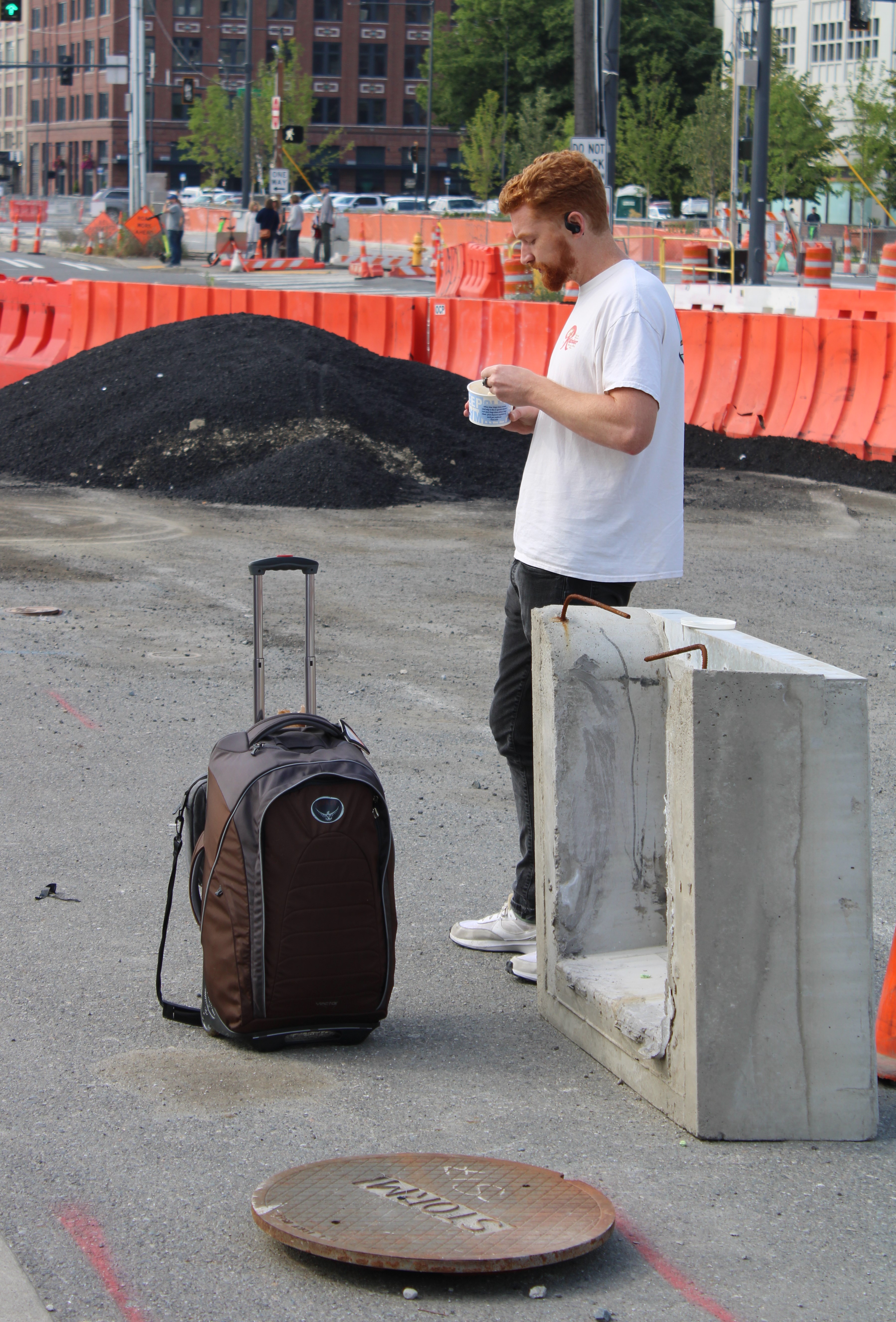
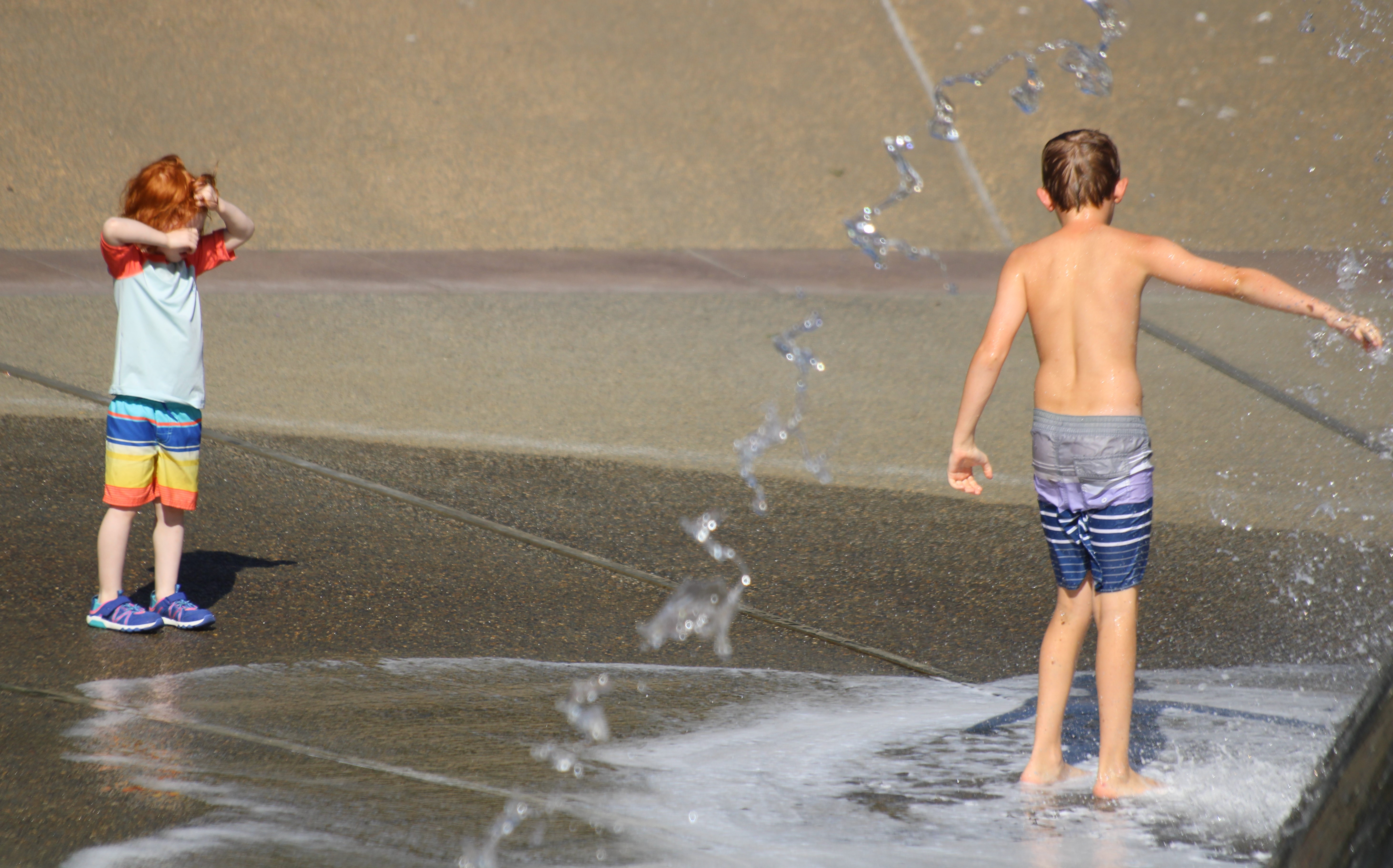
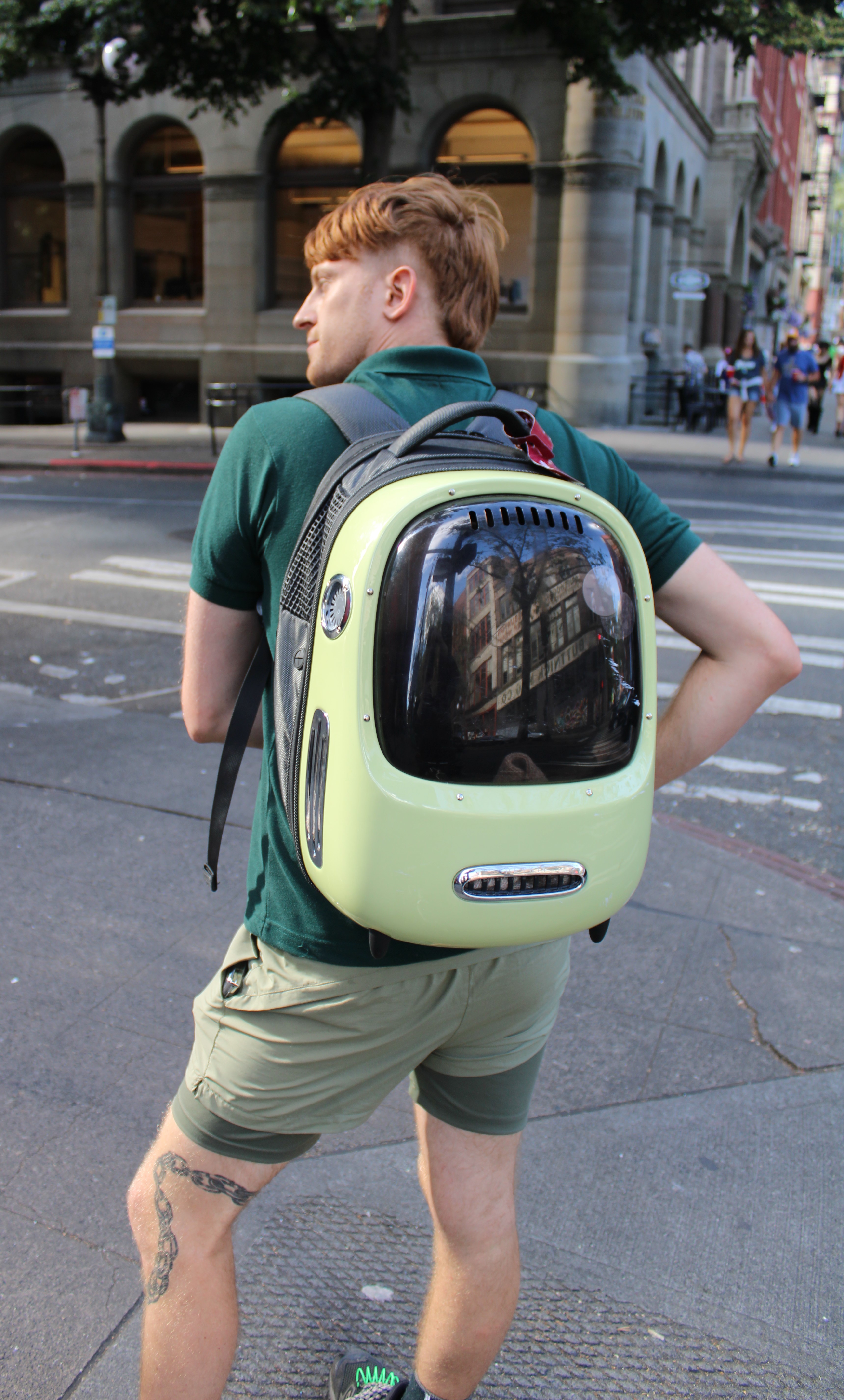
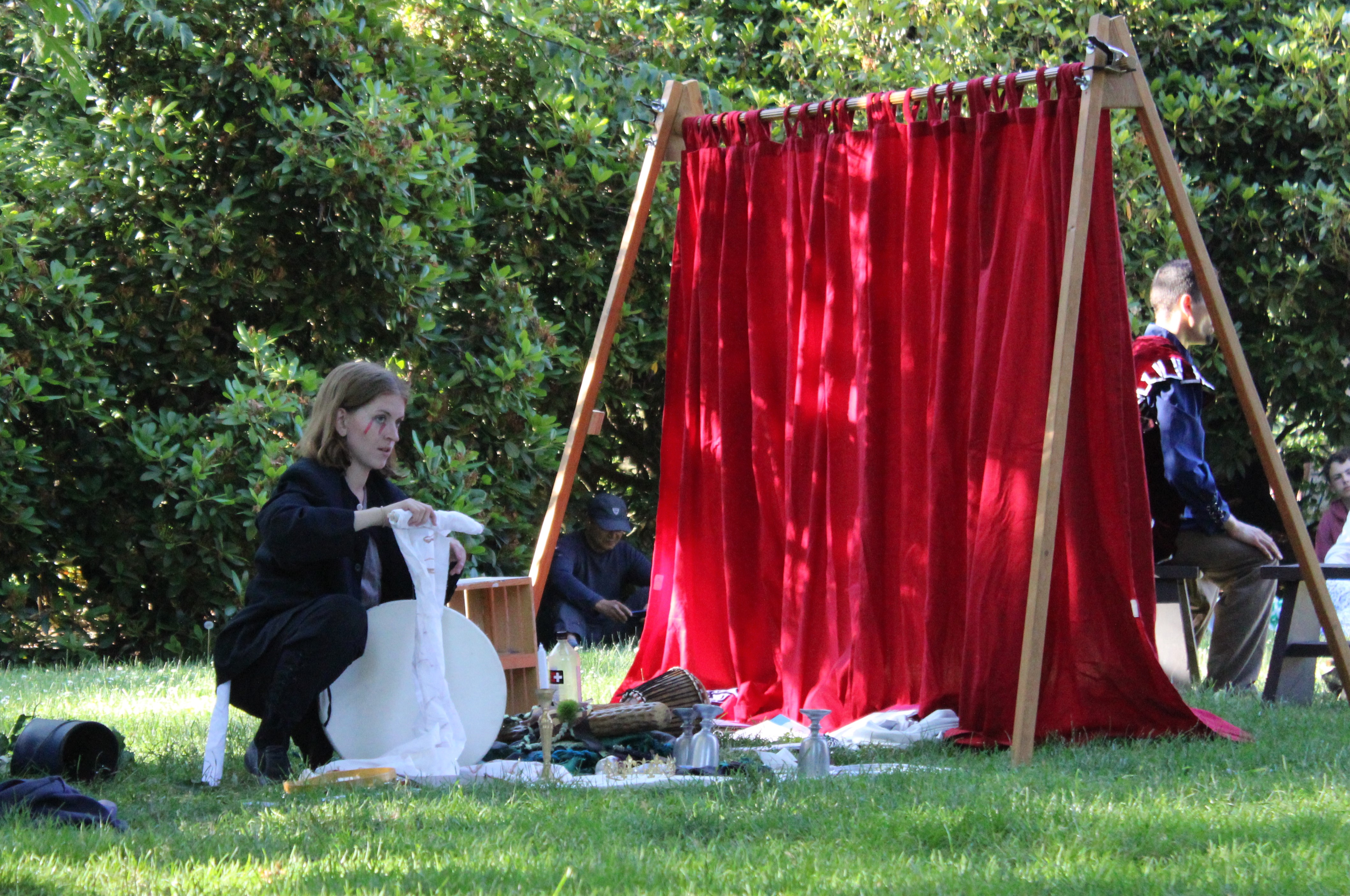
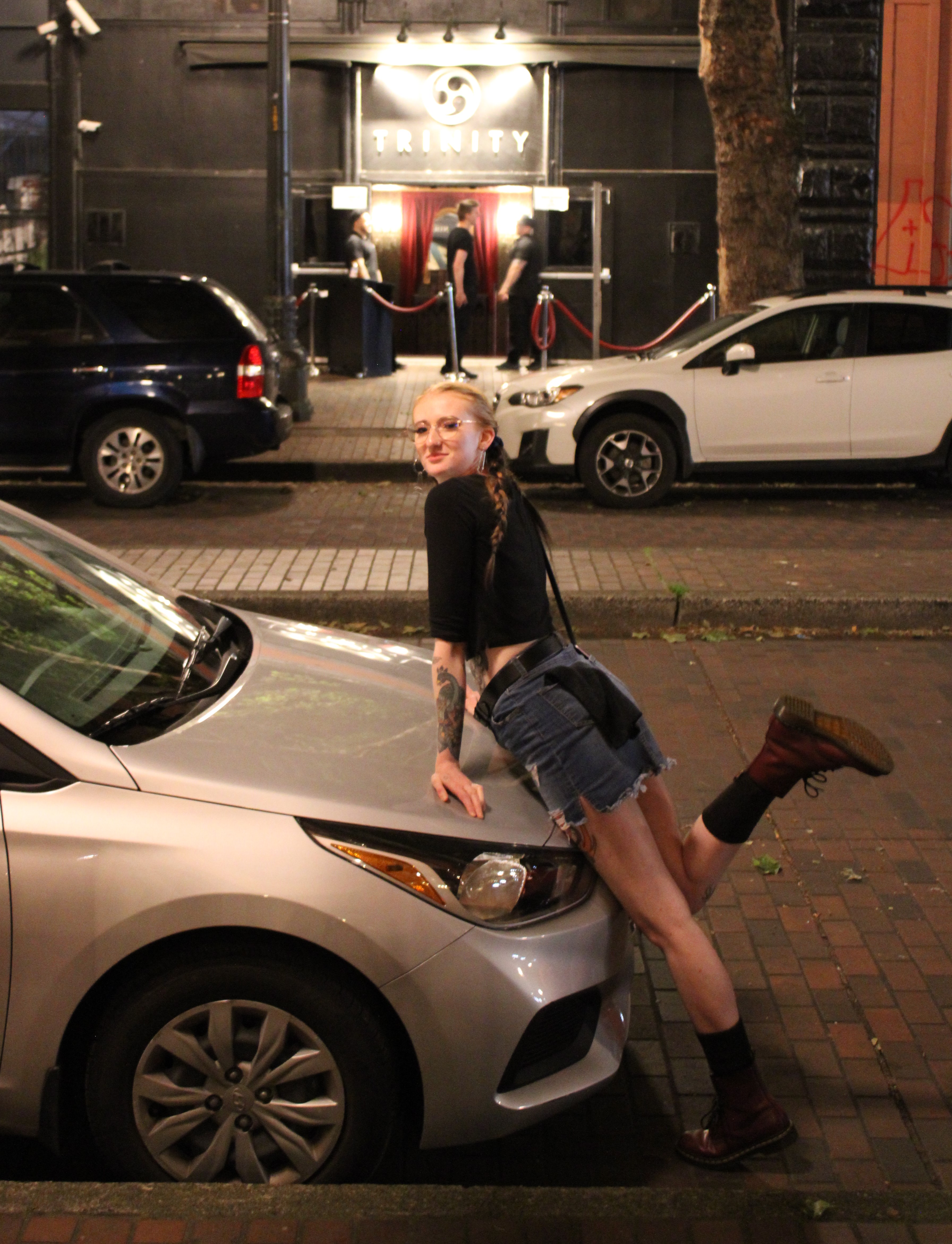
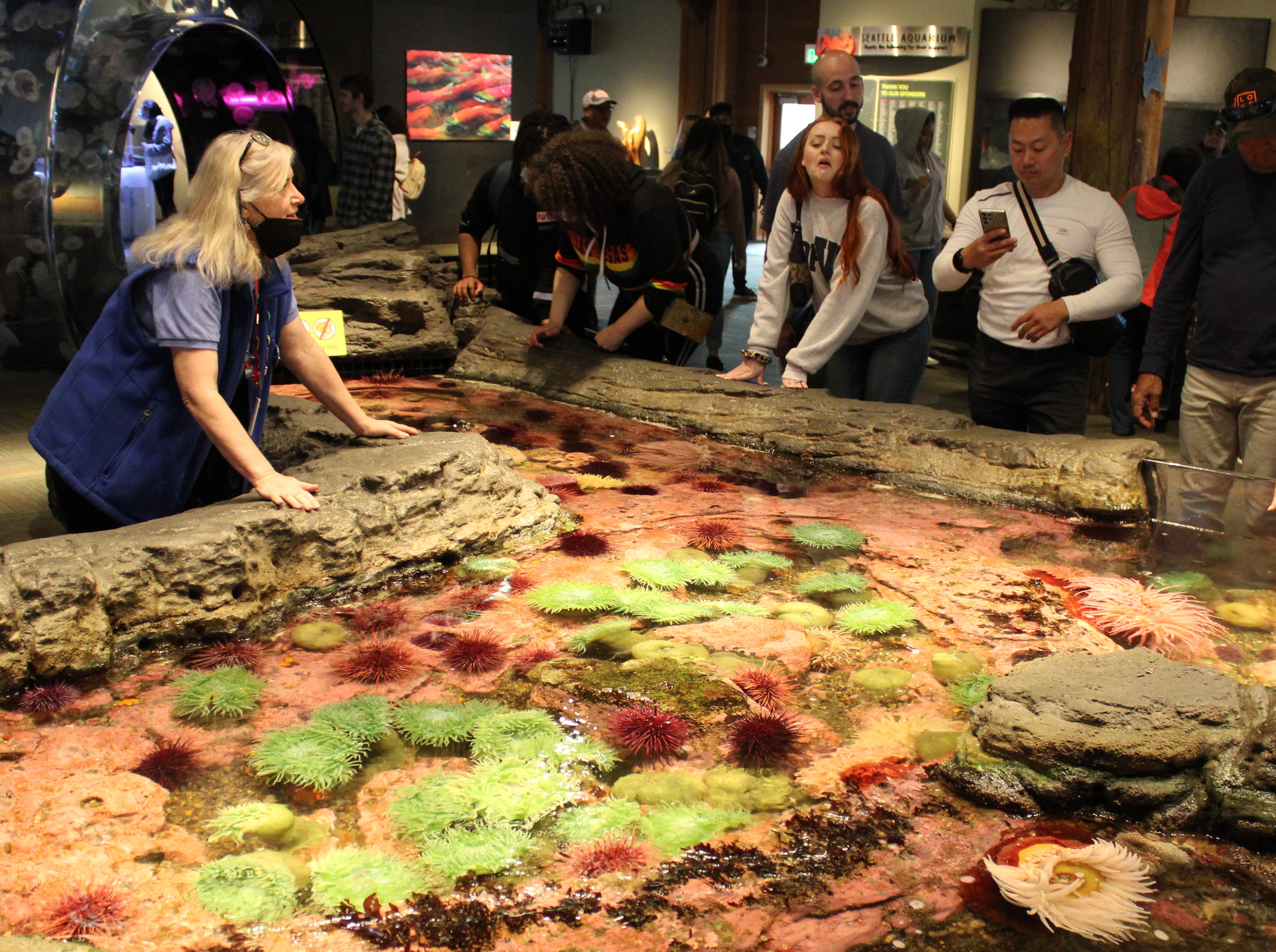
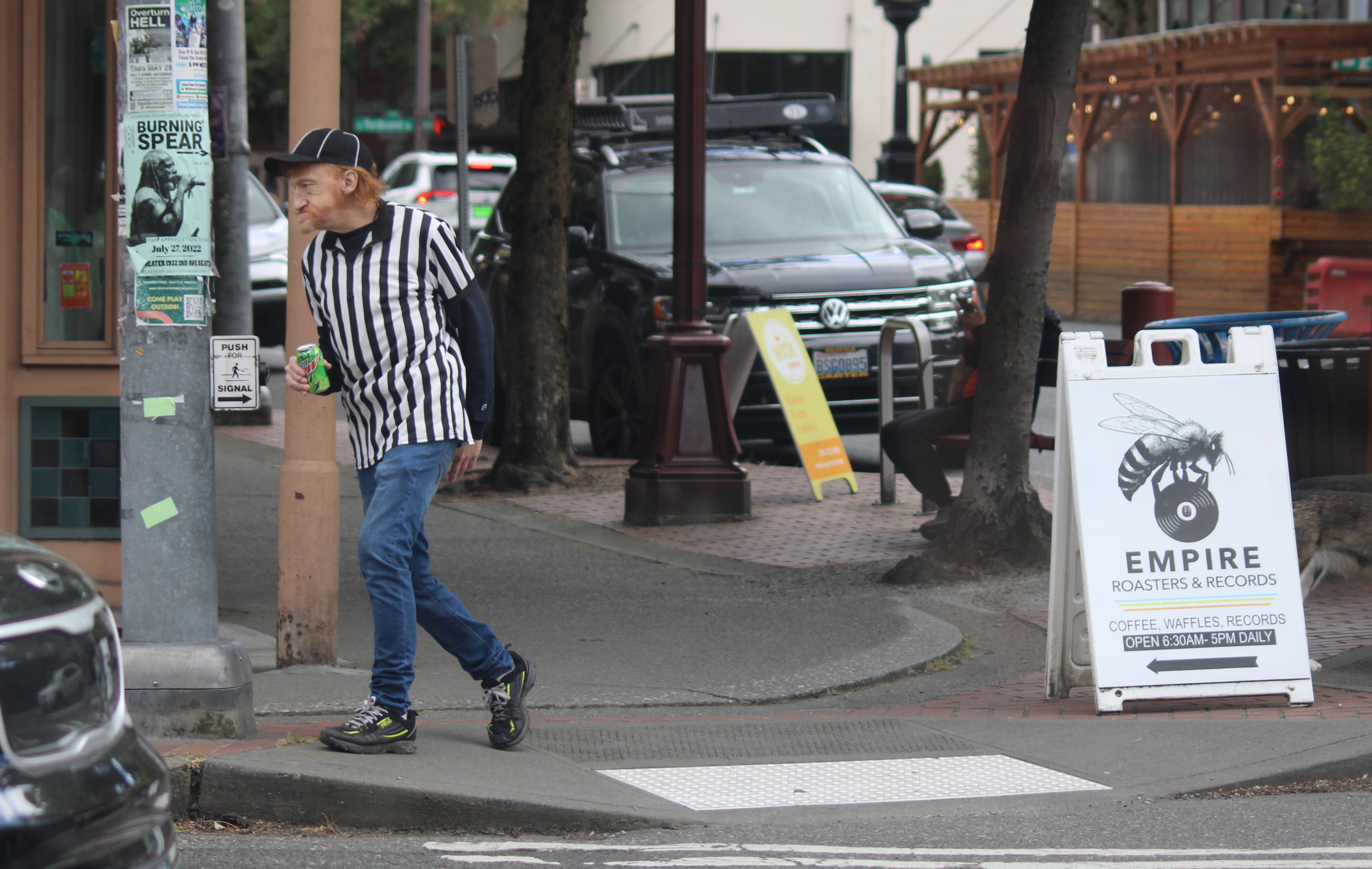
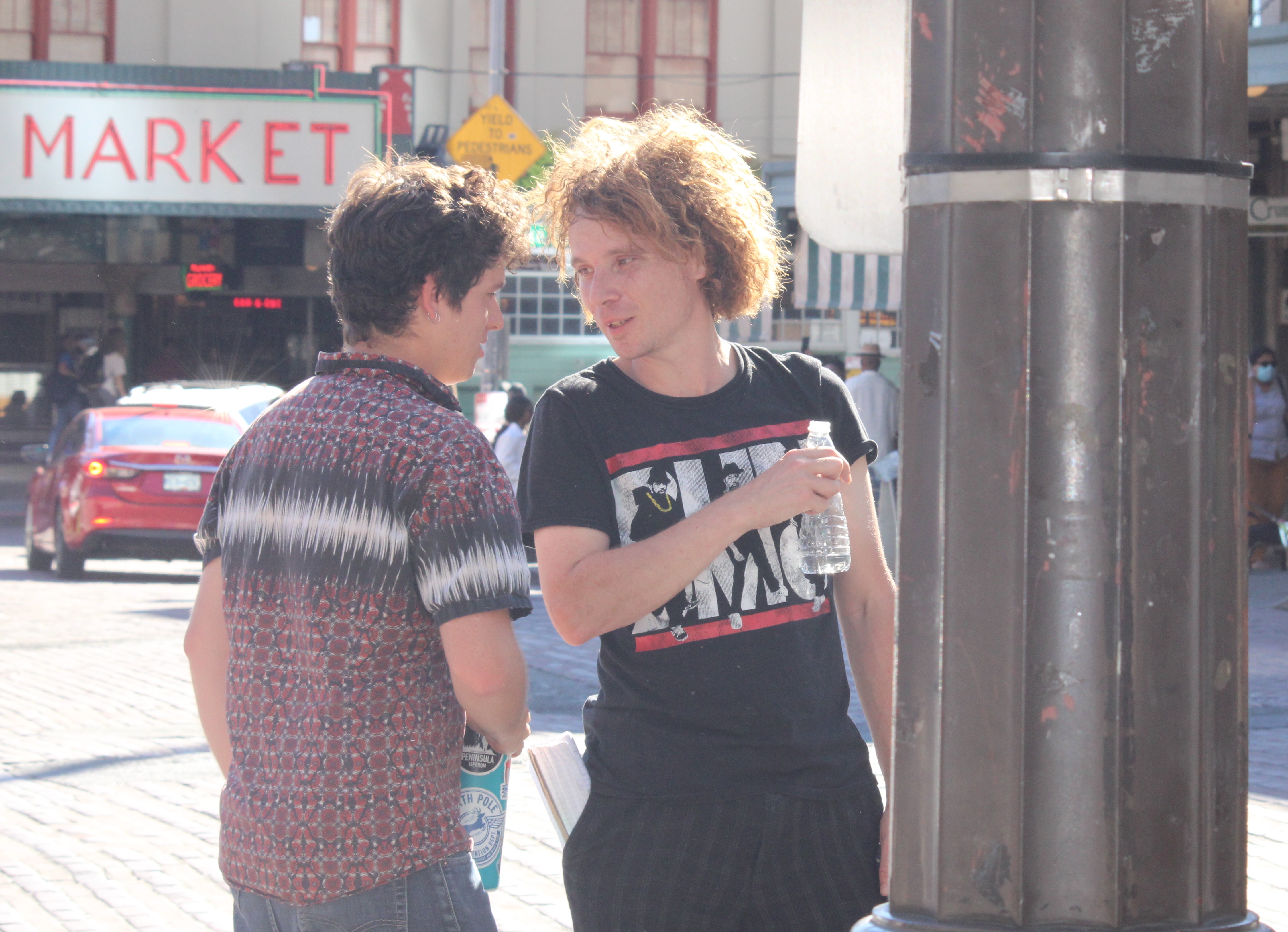
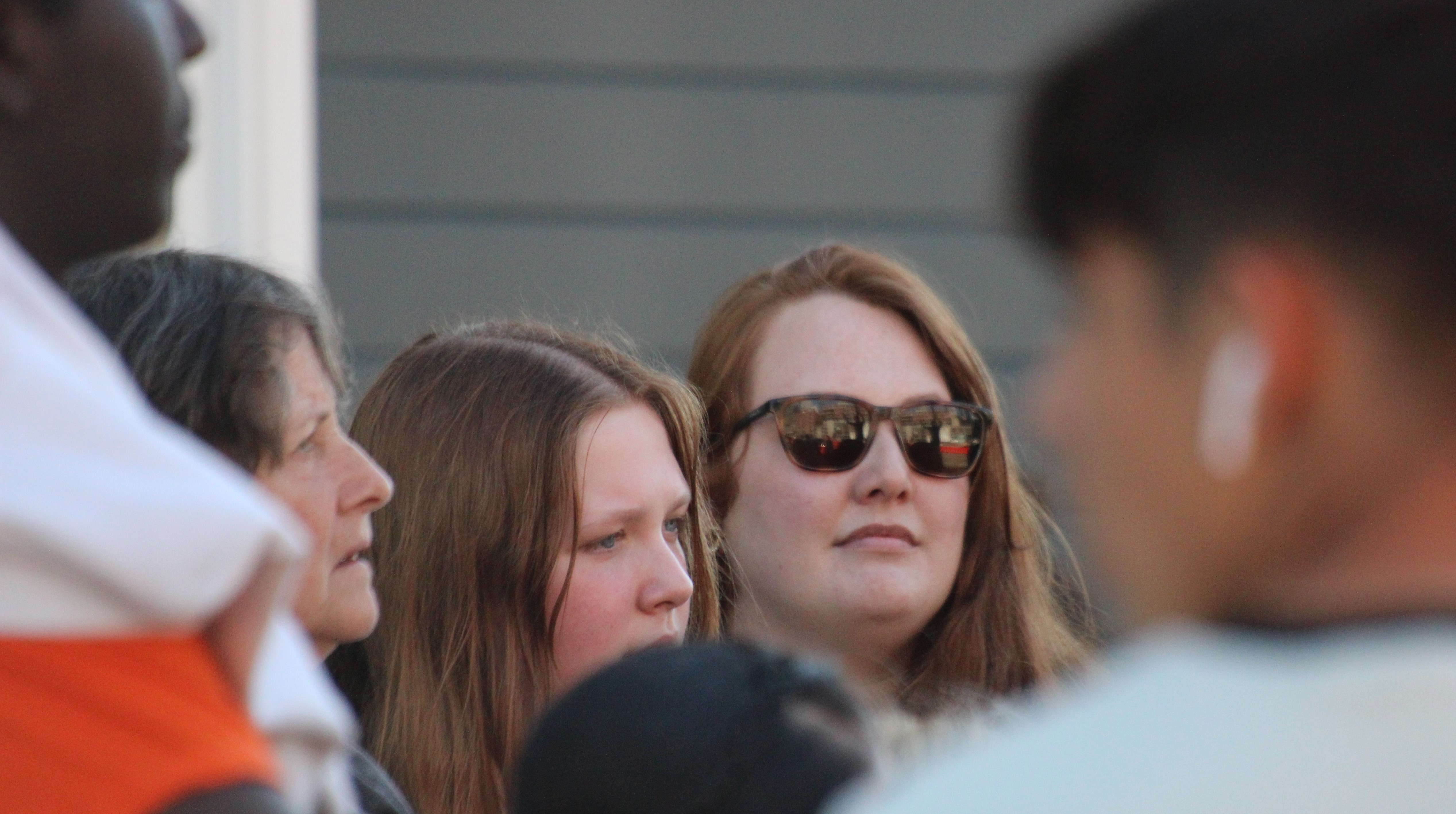
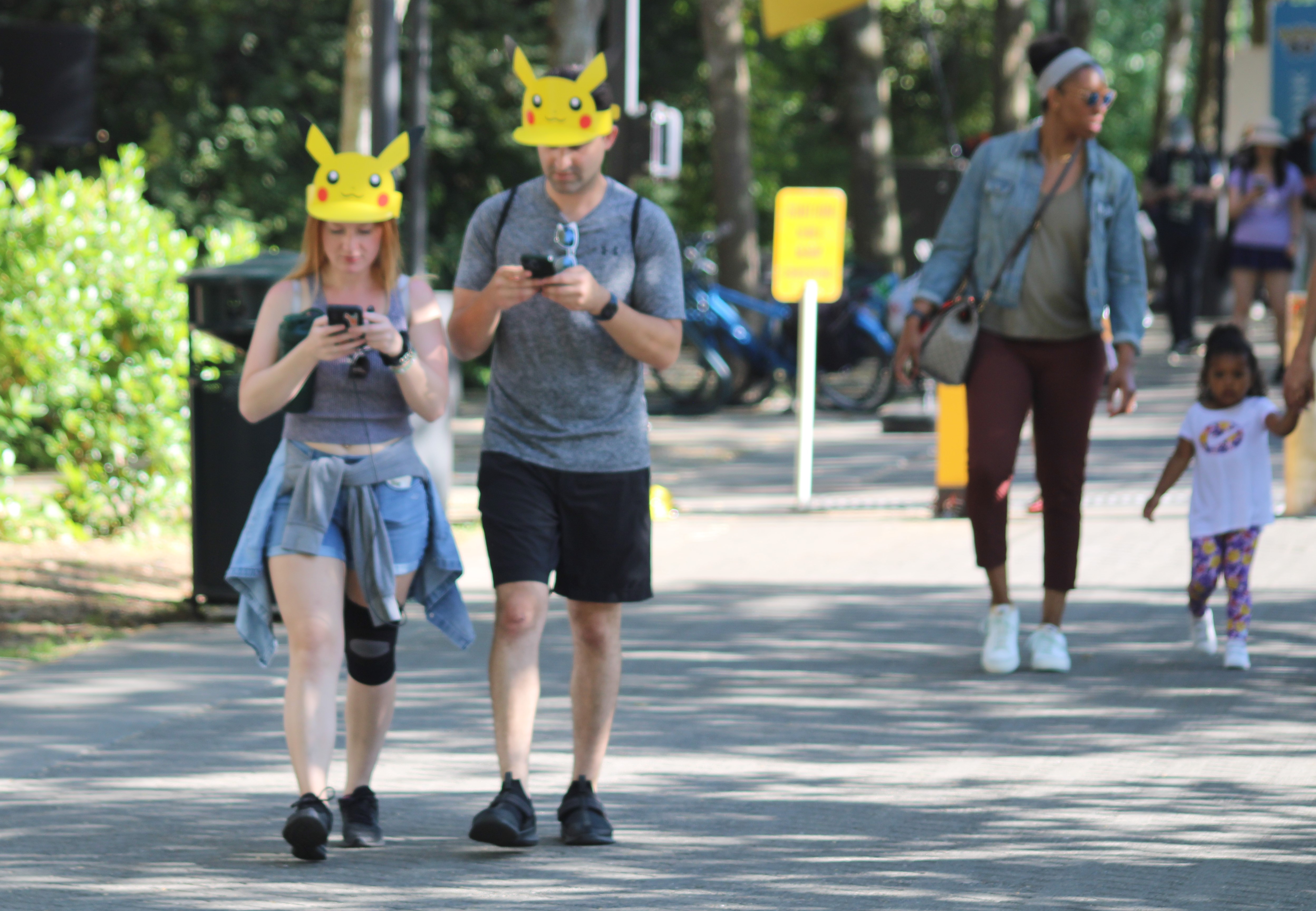
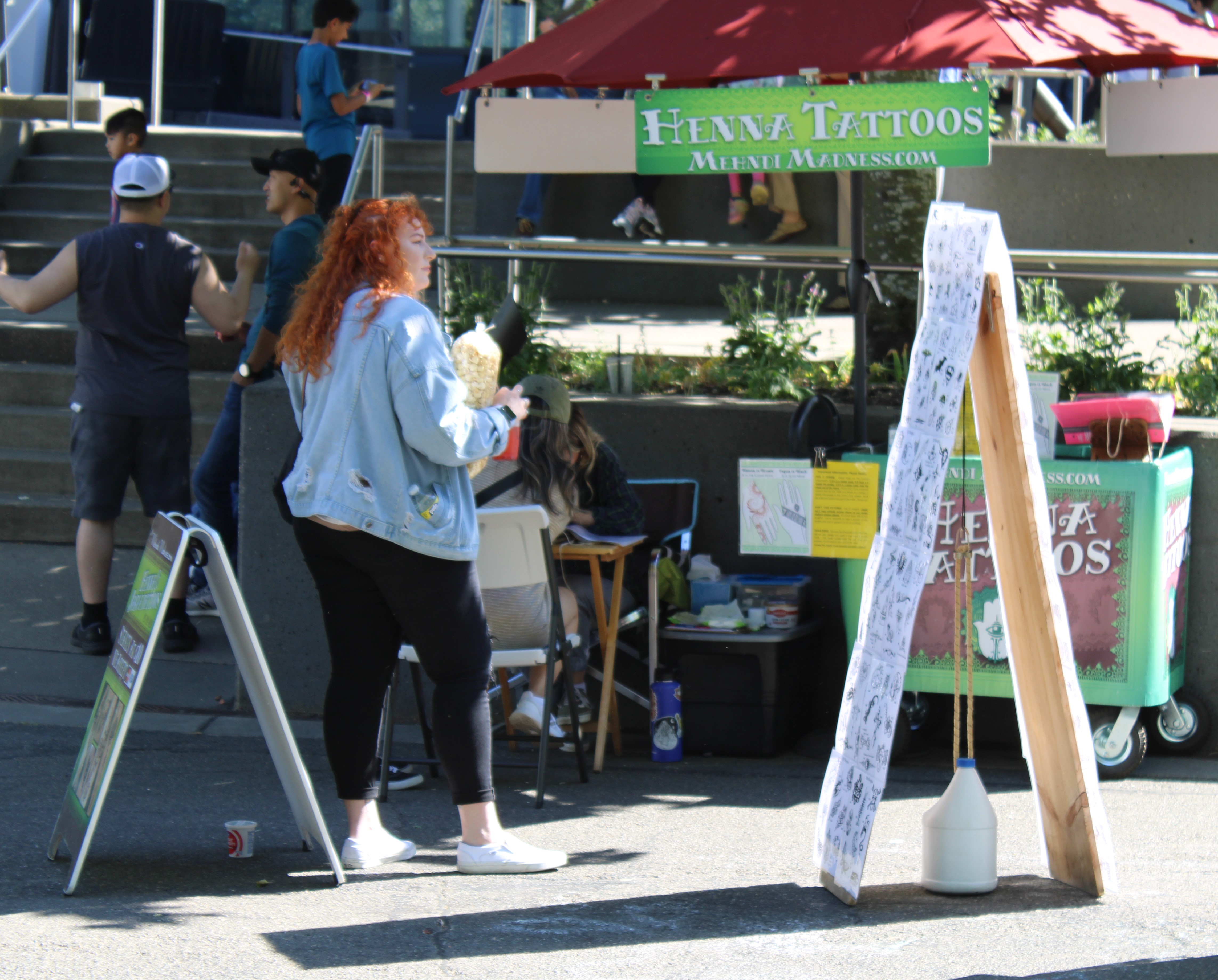
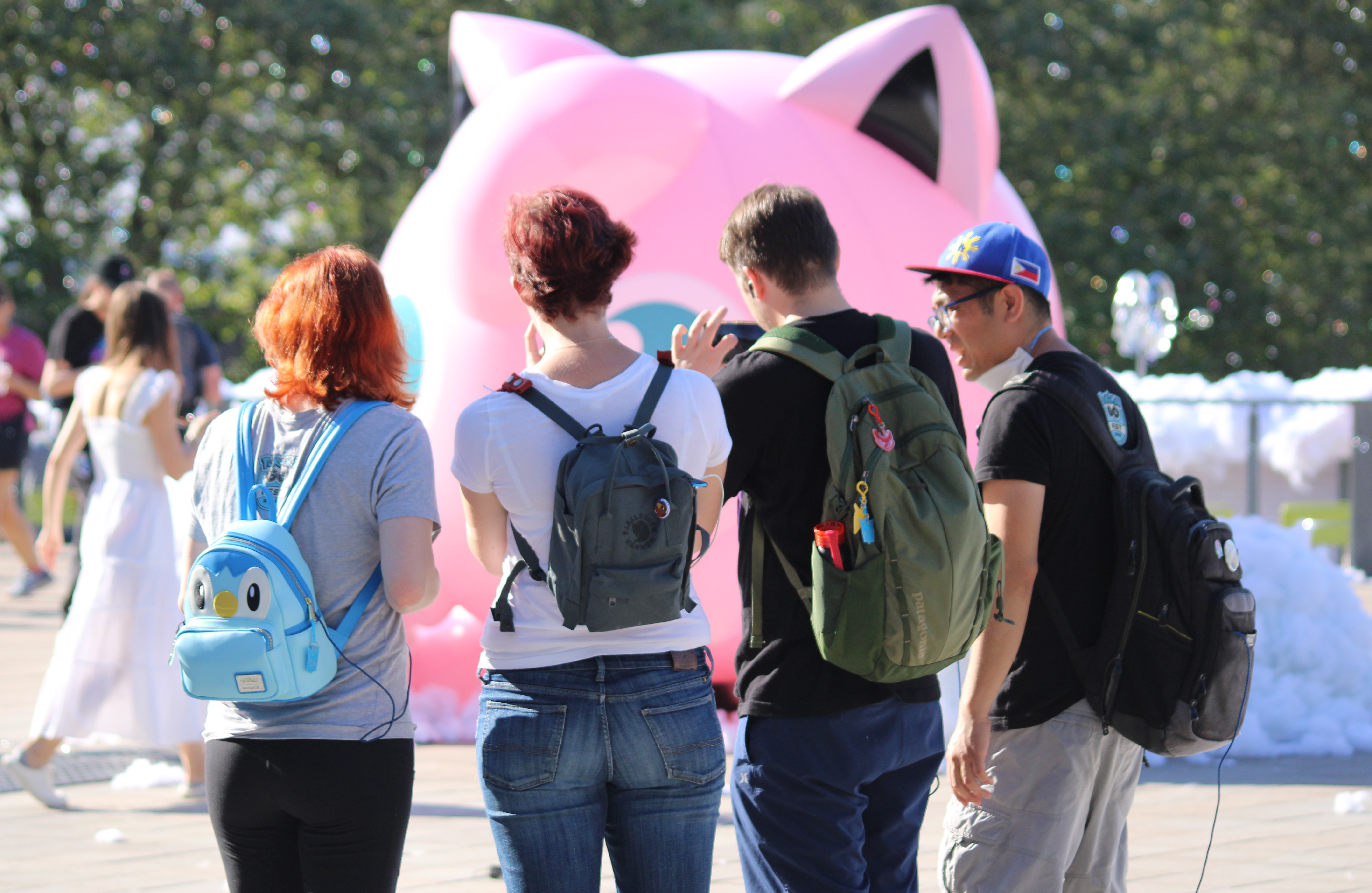
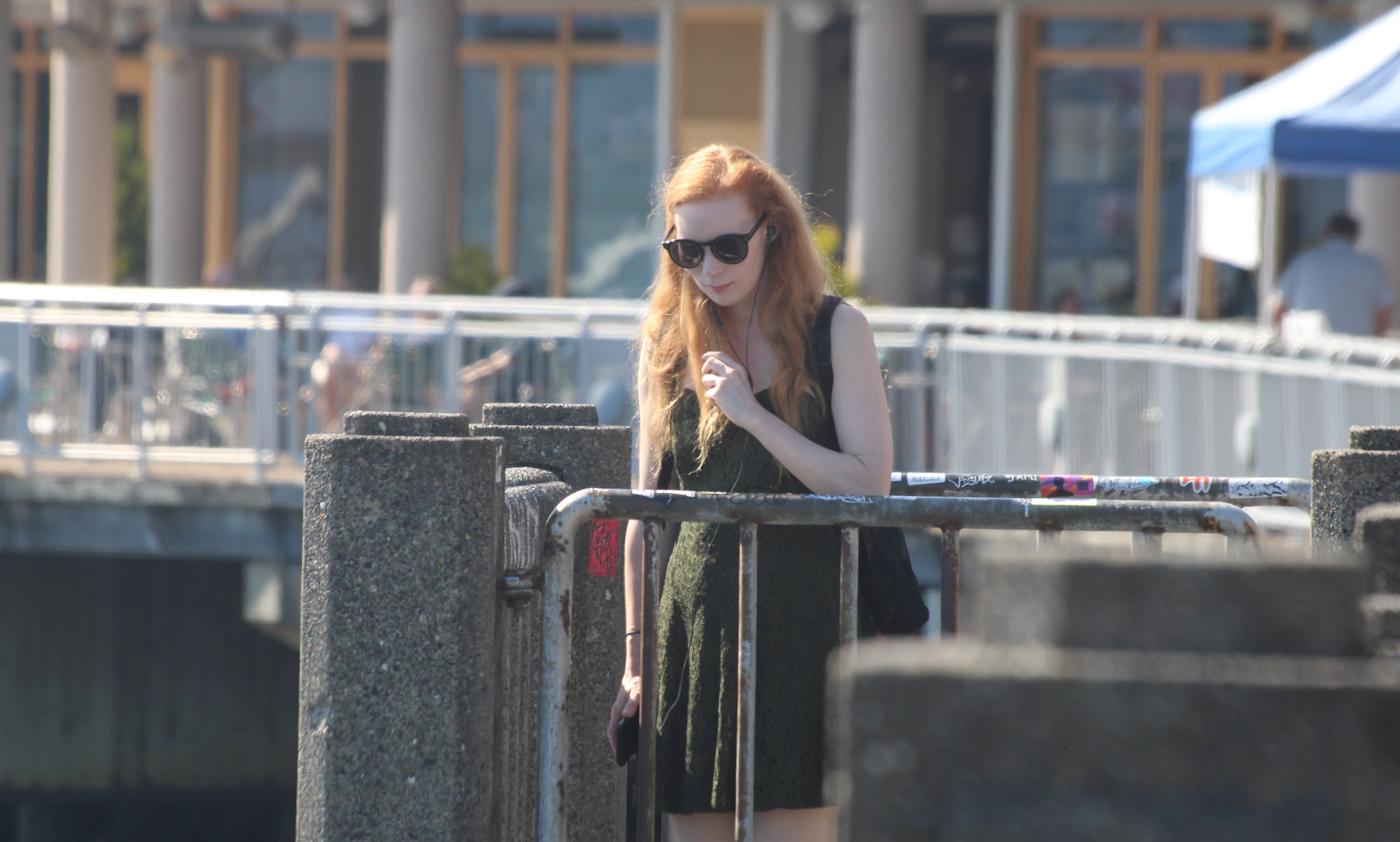
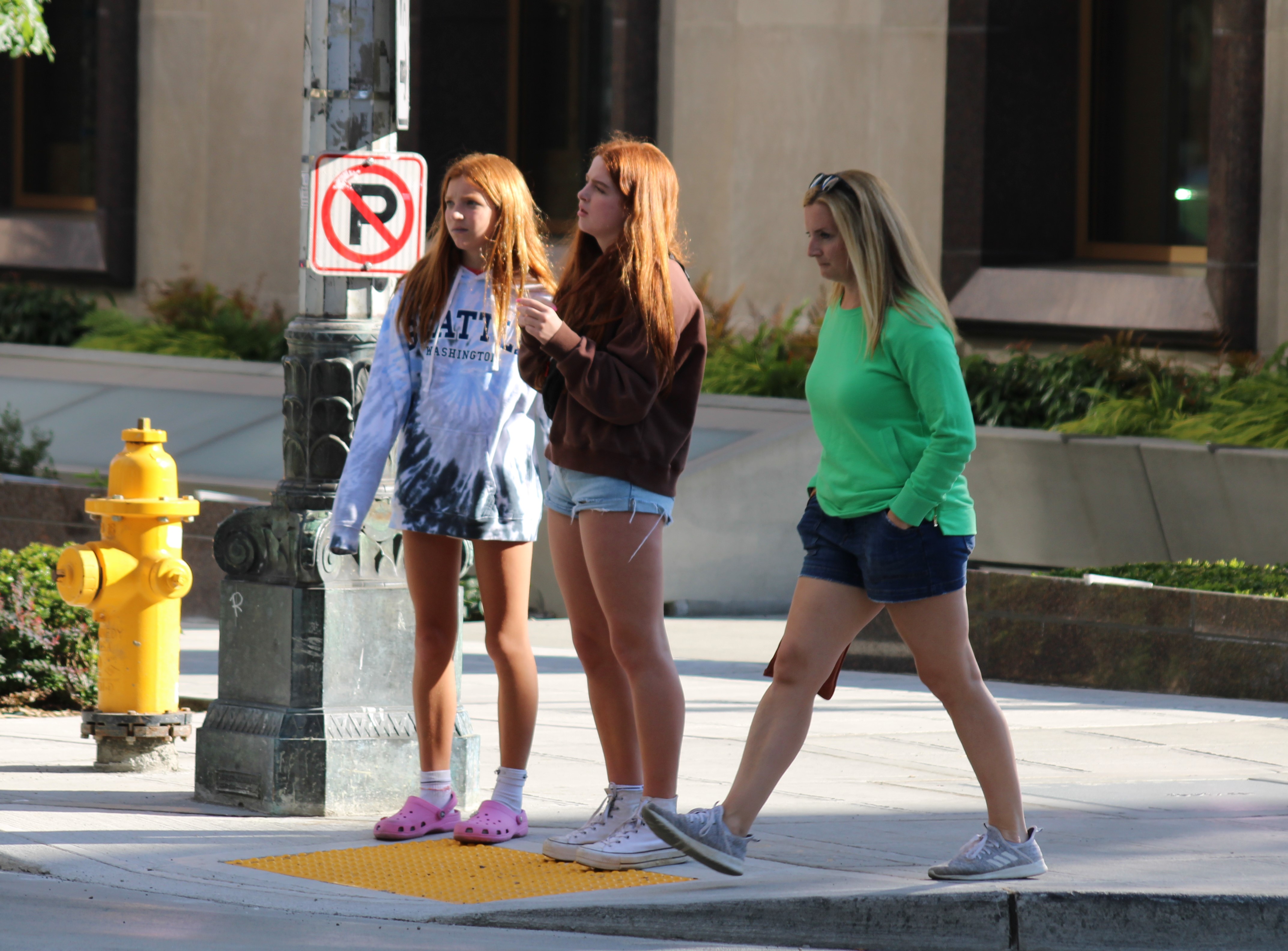
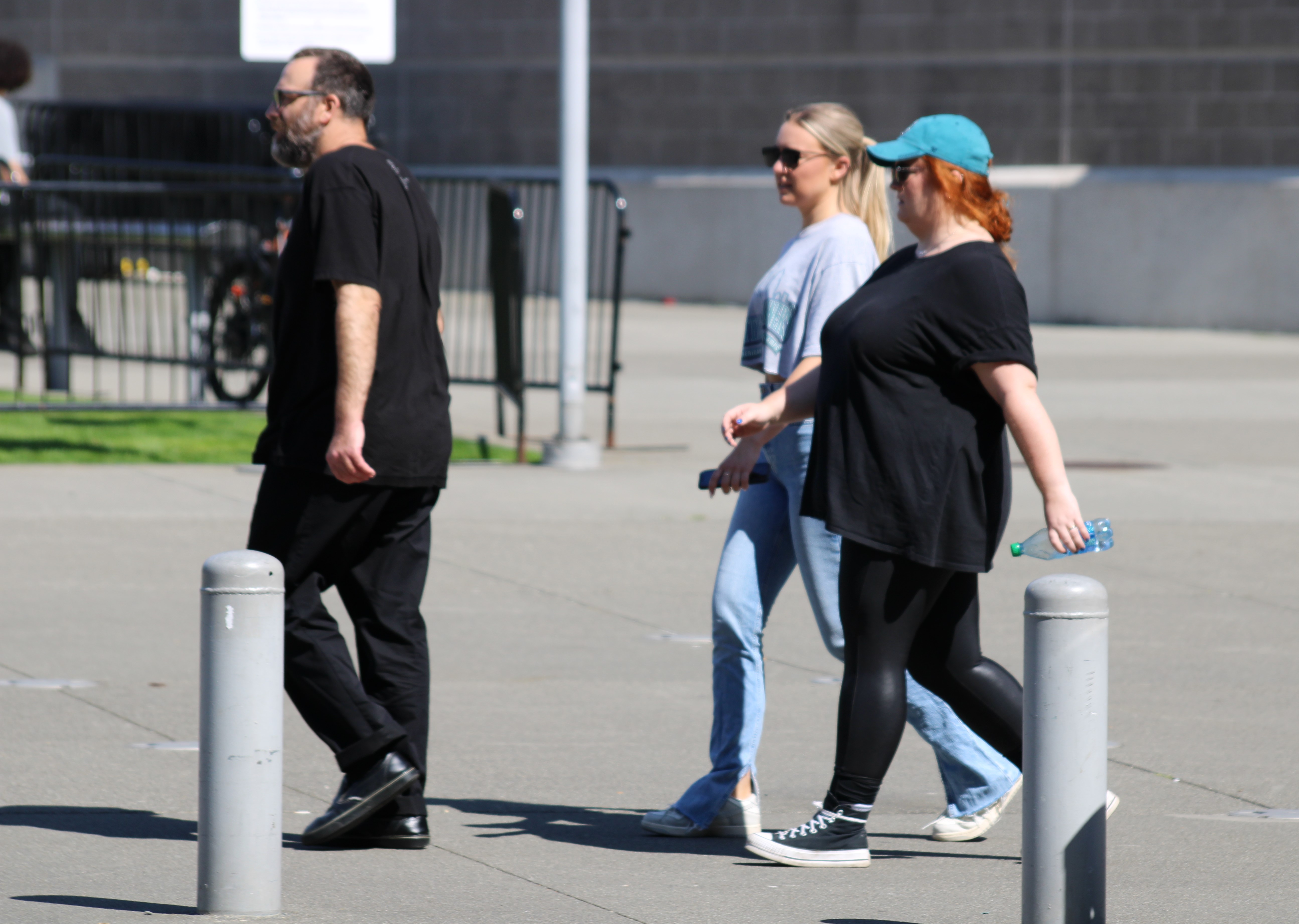
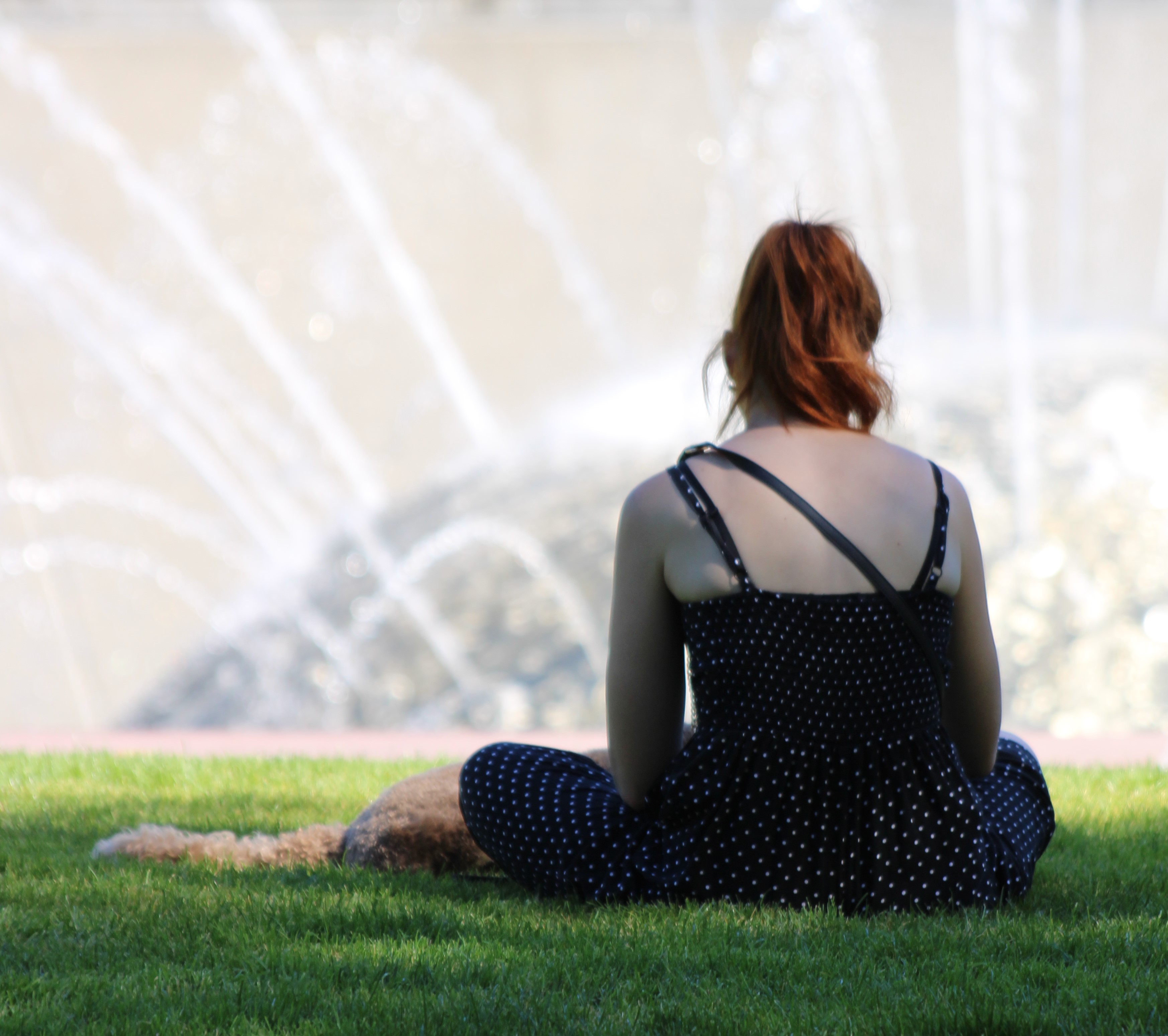
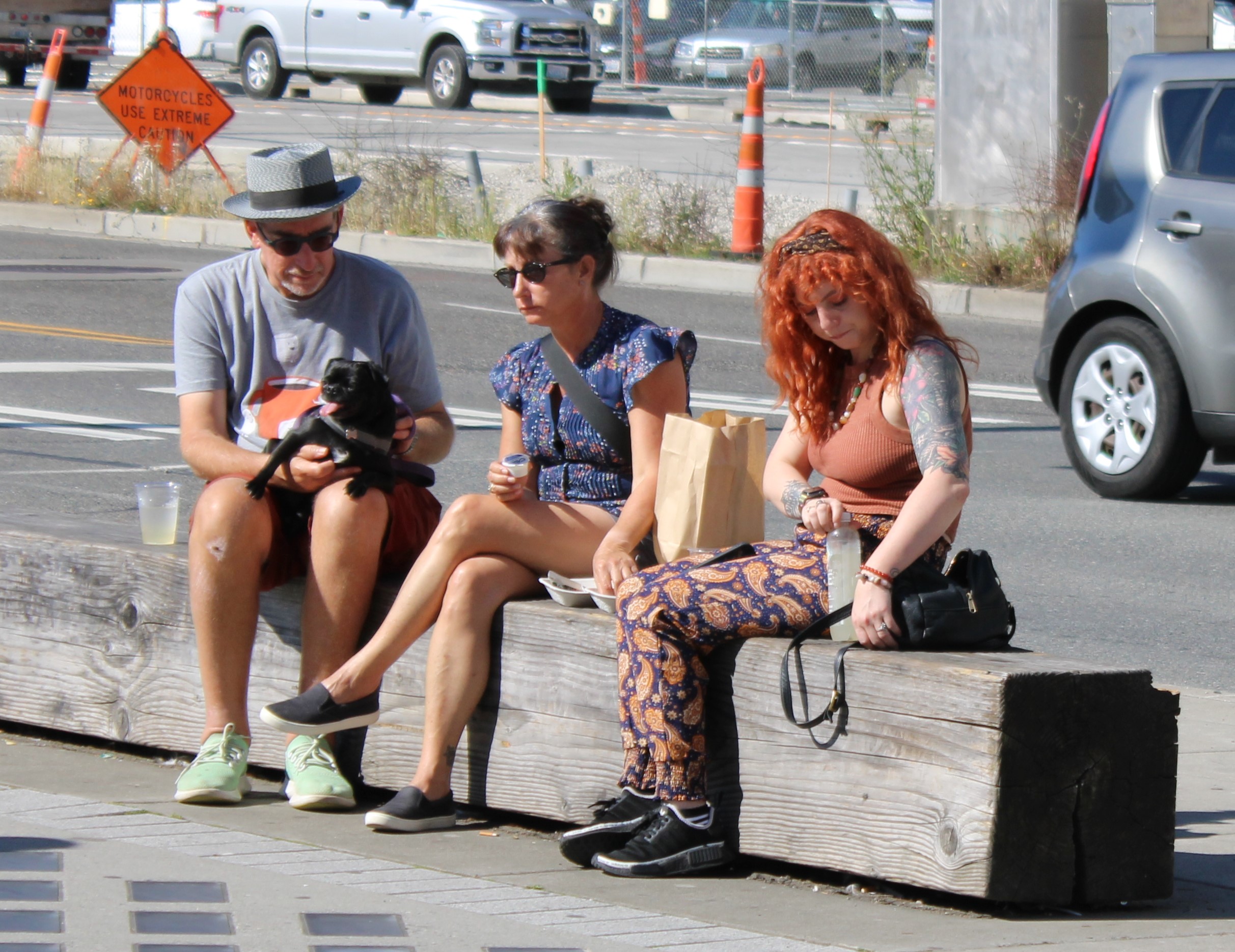
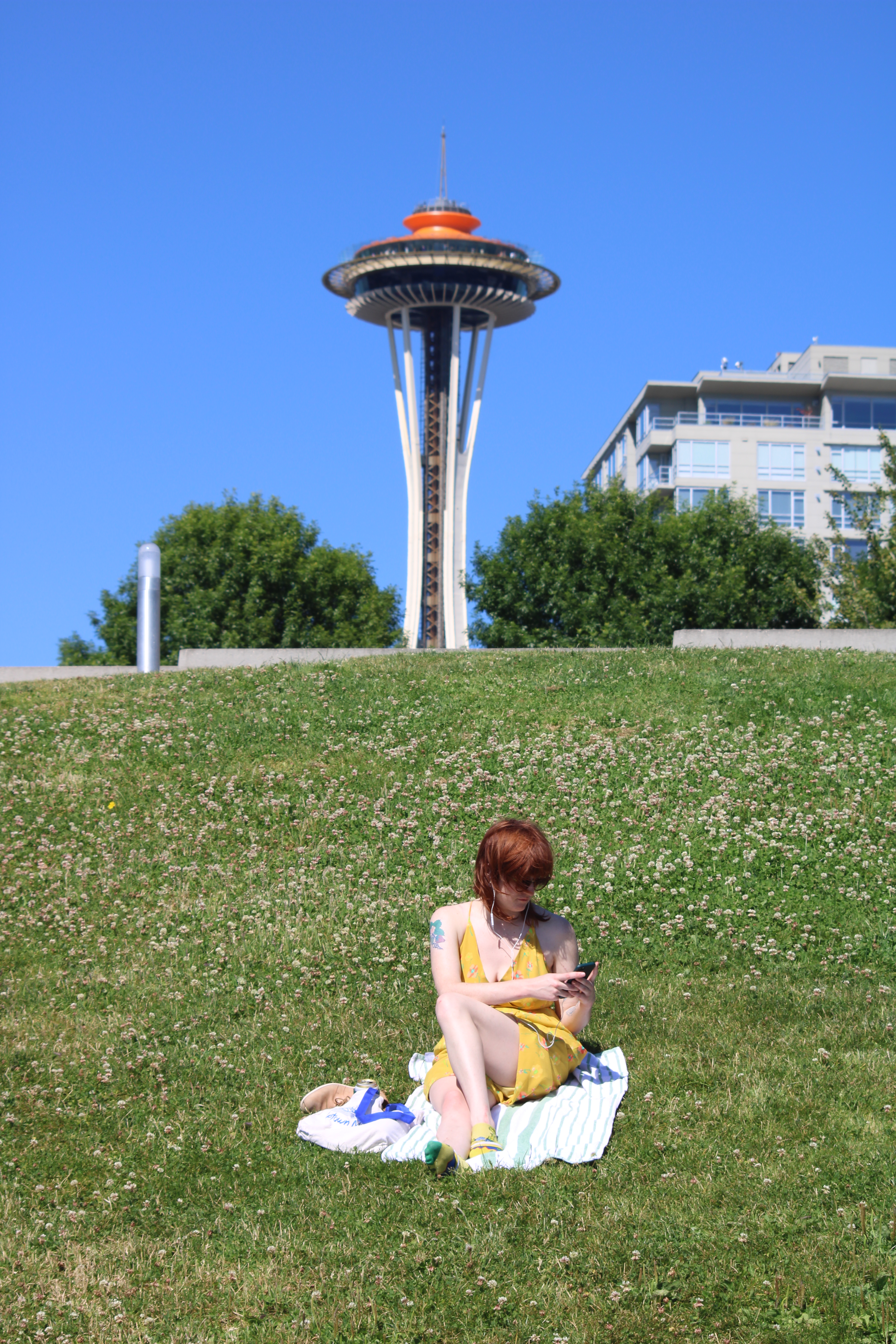
These two beautiful women were enjoying the fountain at Seattle City Center.This redhead appreciated textured visual art at the Seattle Art Fair.A redhead woman gesticulates at a dog brewpub in Columbia City. One of the dogs was a Korellian bear dog.This man ran after his ride that had just pulled up in Pioneer Square.These courageous and principled people put up a bike barricade to keep enraged drivers out of the post Roe ruling protests at Seattle’s federal building.Two in a row at Olympic Sculpture Park.This one was examining her drink on 2nd Avenue.This one walked down the waterfront and licked his lips.These two discussed life and work outside a fancy Indian place in Pioneer Square.This redhead looks like he experienced a moment of adversity in a basketball game at Cal Perkins Park in Capitol Hill.This one was enjoying yogurt or something.This redhead carried flowers.This little boy got close to the fountain but did not want to get wet.This redhead was carrying a cat and posed for me. I’ve seen more and more of these climate-controlled cat carriers. I am skeptical as to whether the cat enjoys the trip.This talented and pretty young woman (https://greenstage.org/wp-content/uploads/2022/05/Holly-Vander-Hyde.jpg) played Lady Macbeth and other roles in a performance in Volunteer Park. She had a hundred little tricks for putting on an awesome show. This was after a bloody scene where she, as Banquo, was killed.“You’re a spicy boy.” “I’m gonna treat you like a piece of meat. I’m gonna take you to Denny’s.”This woman gave me actor Sophie Turner vibes. She looked revolted by the anemones at the Seattle Aquarium.Walking near Pike Place Market.This woman photographed the furry animal she had with her.This woman had a faint smile. Perhaps she was listening to a funny podcast.This redhead had a referee shirt on. Columbia City.This looks like a moment of confiding or pointing something out. The photo had sun glare. The hairstyle is a fiery ‘fro.The mom was watching the street magic show on the waterfront. The daughter’s thoughts seem to be elsewhere.This redhead was hunting Pokemon despite a sore knee, such was her tenacity.This redhead was about to eat popcorn by the Space Needle.This redhead was in full costume for Pride Fest.This redhead came from Canada for a baseball game only to see her team lose.This one is Asian.At Pride Fest. Her companion’s chemical diagram tattoo represents epinephrine.This is a pileated woodpecker on display at the Burke natural history museum.She is beautiful and I like her geeky shirt and wry smile. Too bad that guy marred the photo by putting his grubby hand on her.These redheads are also geeks hunting Pokemon at City Center.This one was getting some sun (hopefully not too much).Graceful, thin, contemplative and with a cute green dress.This one must have been sweaty under that plastic poncho (Pride Fest, Capitol Hill).Two sisters or friends.A fat one.This one had military camo attire and a purposeful stride.Enjoying the fountain.Pretty woman, ugly dog.I love Seattle.
I joined up with some nature geeks and looked at creatures living in the intertidal zone on a Seattle beach. I’m thankful for these naturalists who show me life forms I might have overlooked.
On this pocket beach at Olympic Sculpture Park a large group of people was gathered for a wedding ceremony. Many nicely dressed people lined the beach seated on giant bleached driftwood tree trunks in a semicircle, to watch two people make their vows on a clear, warm day in front of the vast Sound. Nearby a juvenile crow with blue eyes was struggling to subdue and swallow a large black minnow.
On the wet boulders there, sheltered from the hot sun, was a purple sea star. An expert educated me and my friend about the radial symmetry of these animals, an entirely alien body plan compared to us, an entirely alien way to experience the world.
The Seattle Aquarium guide says, “All sea stars can regenerate their arms, but the loss can reduce their self-defense and foraging abilities.”
That week, I paused over a throwaway comment from a character in “The Magic Mountain” that went, “Life means that the form is retained even though matter is being transformed.”
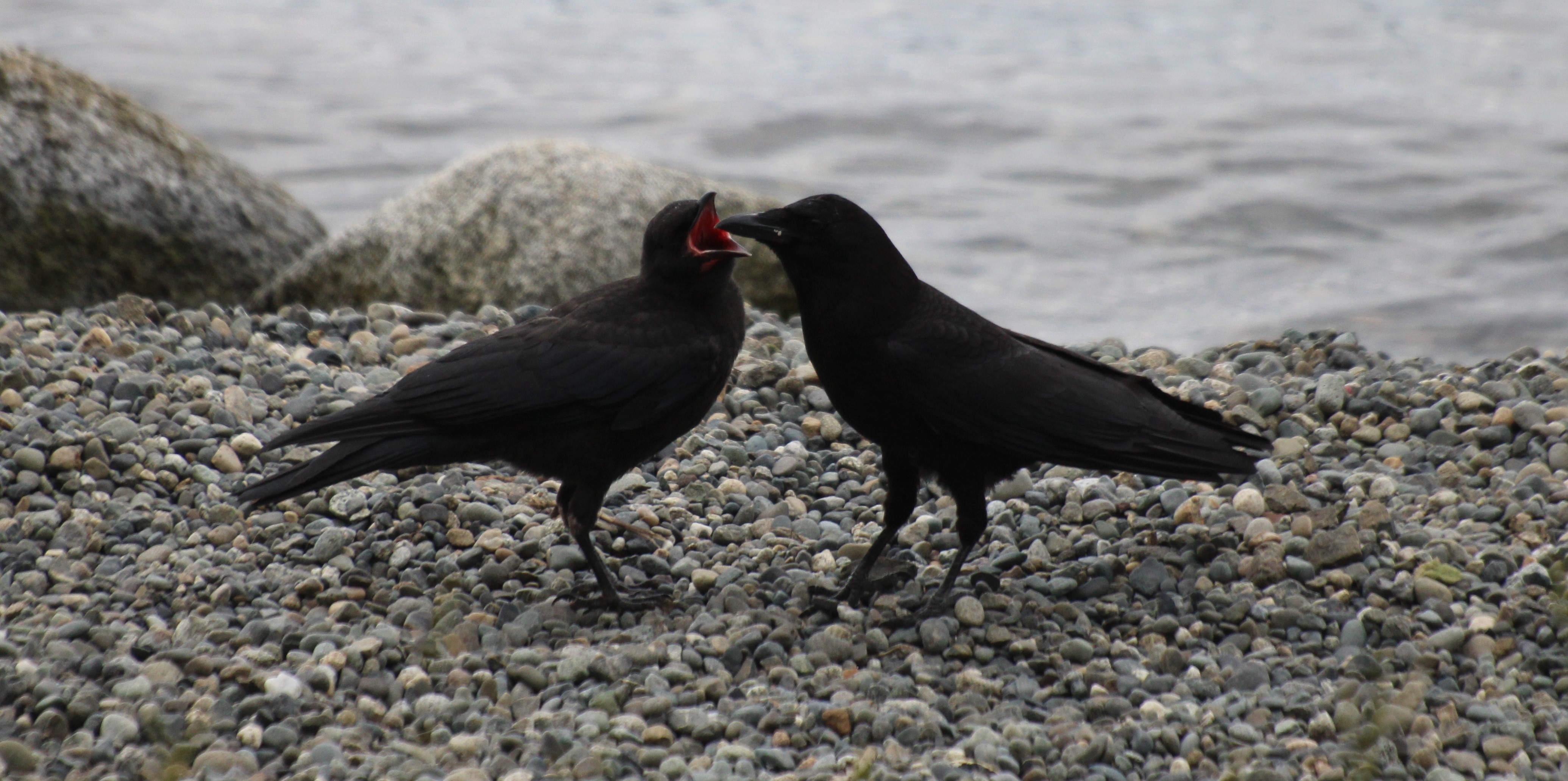
I observed the begging behavior of a juvenile crow at Seward Park.
There was a group of three of the birds and their clamor caught my attention. I know to look when they make noise since they often turn up interesting things like a roosting owl or a fish to squabble over. This juvenile crow stood in place and vocalized with a raspy call with its red mouth wide open and waited for another to swoop in and touch or insert its beak. I didn’t see any food get transferred so perhaps it was some other gesture with a meaning other than begging for food. A third crow was nearby foraging and keeping watch.
I like crows for their intelligence and adaptability. They have a diverse array of vocalizations and the ones here in Seattle are noticeably smaller and raspier than the ones I grew up with in Minneapolis. They watch us all the time and continually call to each other about us, notifying the others when a human gets too close. I smiled recently when two crows scolded me loudly for picking up a large worn feather one of them had shed. I said, “I thought you didn’t want it?”
The juvenile has a brownish cast to its feathers and blue eyes. It benefits from cooperative raising of young. Crows partner up in mating pairs, groups, gangs, and flocks to survive in a sometimes-hostile world. My dad seems to despise them for religious reasons, which I can’t understand. Edgar Allen Poe wrote that his raven’s eyes had “all the seeming of a demon’s that is dreaming” and he called it a stately, ebony, ghastly, grave, stern, ominous bird of yore.
I can’t get enough of these smart little guys, these inky specters that share my city. A crow’s shifting silhouette always catches my eye and I try to look at what it’s looking at.
Birding and enjoying nature in Discovery Park, Seattle
Yesterday I walked this gem of the Seattle parks. It’s my second favorite place after Seward Park and it is also vast in area.
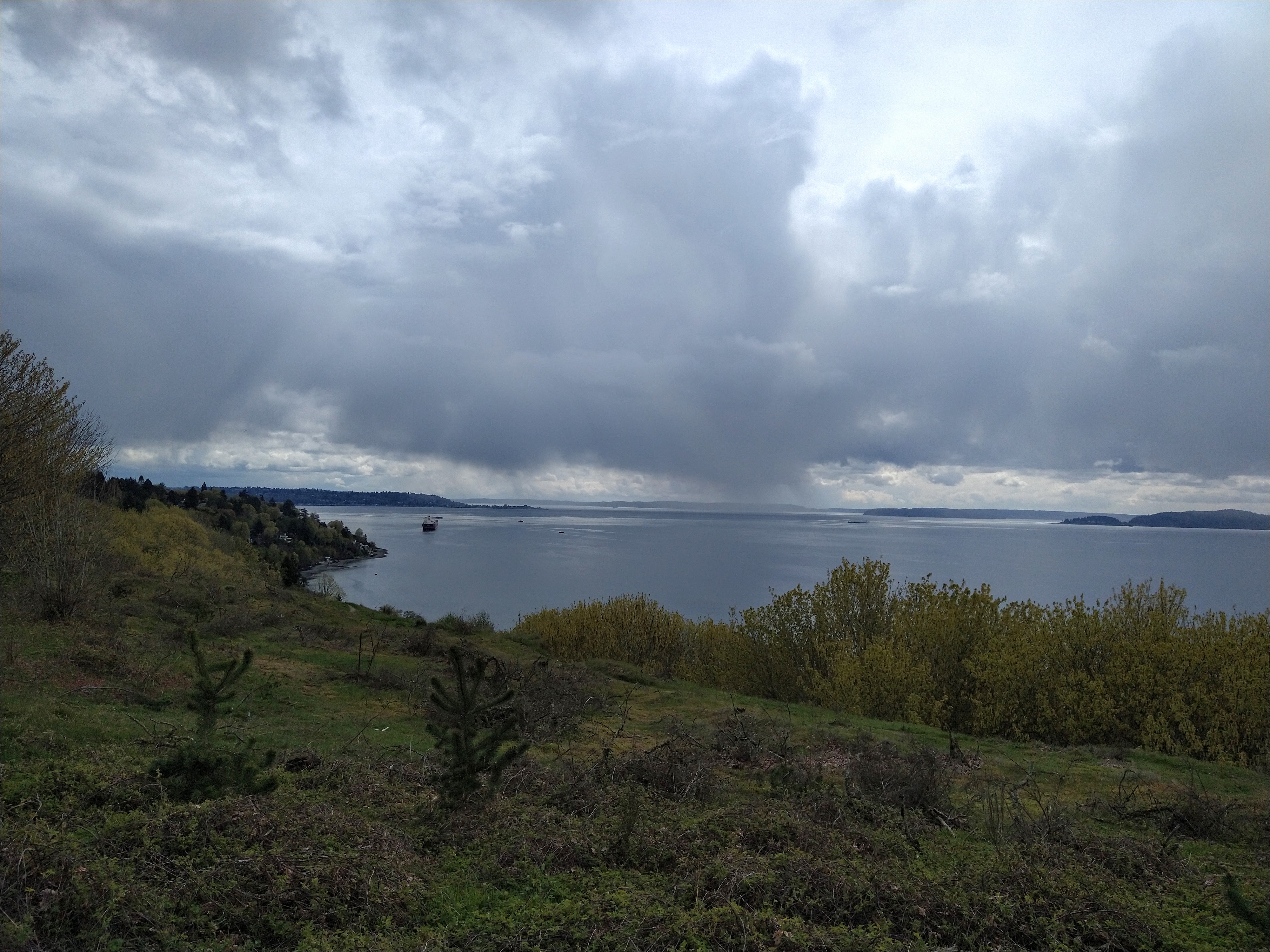
I visited the undulating prairie area that overlooks Puget Sound. The prairie ends in steep vertical cliffs that drop off abruptly where the soft sand continually gives way. I am a person of woods and waters but I like to check out prairies and I wonder if my North Dakotan mom imprinted this natural sympathy on me.
In the prairie I saw two little songsters: a savannah sparrow and a white-crowned sparrow. Each one had distinctive features that helped me when I looked them up. They sing from a prominent perch so you can get a good view.
The savannah sparrow had a yellow wash on its face. The white-crowned sparrow sports a little black-and-white crew cut.
Many other people were out enjoying the place by biking, trail running, birding, picnicking, playing with dogs and kids, and just sitting on benches and the ground taking in the views.
The exquisite ache of Trio Élégiaque by Rachmaninoff
Rachmaninoff has been a companion for many years. I sometimes feel I am listening to the music of life itself. Some of his music is dark and hints at a submerged and hidden well of experience, punctuated by a technical onslaught that grips your attention, like in Piano Concerto #2 opus 18.
Others, like Trio Élégiaque, provide an exquisite ache. I came across this term recently and found it matched my experience with this piece. For me, a favorite piece of music is always paired with a specific era in my personal history, and sometimes with a specific place or day. And Trio Élégiaque is paired with a hot day during the covid pandemic when I hiked up a long trail in the Columbia River Gorge and reflected on where life had led me so far, and on what a ride it’s been.
I love “Isle of the Dead” too. The composer’s imagination was carried away by a small black-and-white reproduction of a famous painting of a mythical place where the dead are ferried away to rest forever. He composed a magnificent piece of music based on this impression. Later, when he saw the full-color, full-size painting, he was underwhelmed. He liked the small black and white version better.
This was a good example of a rich mind’s ability to dilate on an impression and draw it out into adjacent and unexpected effects, like a drop of brilliant dye expanding in clear water in a way that’s endlessly complex and dynamic and impossible to predict.
Rachmaninoff was a “technician of the emotions.” He once said:
“The new kind of music seems to create not from the heart but from the head. Its composers think rather than feel. They have not the capacity to make their works exalt – they meditate, protest, analyze, reason, calculate and brood, but they do not exalt.”
Rachmaninoff’s music exalts.
MY LATEST REDHEAD CRUSH: Jen Psaki, White House press secretary
Her pupils and irises are similarly dark in color and shift from “get to the point” to warm humor instantly.
She favors solid colors and floral designs and sometimes has jewelry or a corsage and her shoulder-length red hair moves buoyantly and frames her pale face nicely.
She has the creamy white skin of a ginger, a long, symmetrical face and a quick smile that can be warm or subtlety impatient or mocking when the reporter is fumbling or just plain dumb (i.e. Fox News).
She addresses the reporter’s question conversationally while addressing them head on instead of addressing the room. She peppers her responses with comic jabs at political opponents.
A reporter asked if the administration had a messaging problem on an issue. Without missing a beat, she said the previous administration had a morality problem, and then launched into a cogent and complete response, one of several in that conference.
She has the fluidity and confidence of someone who knows she’s right. If we met, I would probably be very, very afraid of her. She is thin. I wonder what she does to work out.
Firefox browser readability button
On mobile and desktop, there is a little button in the URL bar that turns a noisy, crowded, ad- and toolbar-jammed page into a readable format. This allows you to read an article from start to finish without being prodded and interrupted.
Seattle bouldering gym
This place is half a mile from my home and has everything I need for complete fitness.
I joined two movement classes and they kicked my ass and opened me up to a new relationship to my body. For many years I ran. I put on many miles and sought to increase my mileage. I began to question this. What was the point?
I then moved on to strength training. This was extremely rewarding, but after getting strong and bulking up a bit, I wondered what that was all for. It seemed like another grind, where you put forth brute effort without developing skill and finesse.
Now, with movement, I am increasing what the instructors call “body intelligence.” As a gown man, entering a class and learning the most basic movements while feeling gauche and not knowing where my own limbs are feels like a keen transition. But as the instructors emphasized, I am setting down new neural pathways. Eventually conscious thought will cease to get in the way of putting one foot in front of the other and those pathways will be efficient and well-rutted.
For one class it was just me and the instructor, an attractive, muscular woman in her early 30s. I think about sex. A lot. And when she was up close, motioning to her hips and thighs and back and telling me to watch her and follow, I though about how she might move in the sack. And she probably knows how to move her body there in a way that’s as far from “starfish sex” as possible.
The other class was led my by a male instructor and his style was very different. The class was full and he pushed us hard. Some of the class involved pairing up and engaging in a boxing-like dance. This moves you beyond mastering your own movement and trying to meld and interact with that of another person, which is far more complex.
I have a lot to learn. I am grateful for an opportunity to scramble what I know, to start from scratch with a genuinely unassuming, defenseless, beginner’s mind.



















 pseudoisaac